The Eastern Hellenistic Frontier
Welcome back to History and War. In the year 208 BC, far beyond the familiar battlefields of the Mediterranean, a new struggle unfolded on the distant eastern frontiers of the Hellenistic world. For years, the authority of the Seleucid kings had been fading in the far east. Provinces had broken away, ambitious rulers had carved out their own kingdoms, and among them the strongest was the Greco-Bactrian Kingdom. Determined to restore imperial power, the Seleucid king Antiochus III marched east on a vast campaign to reclaim the lost lands of his empire. But he would not march unopposed. Standing against him was Euthydemus I, the ruler of Bactria — a seasoned king who had seized power through war and understood that if Antiochus crossed the frontier, his kingdom might not survive. So, he chose to meet the invader before the war could reach the heart of Bactria. Near the banks of the Hari River, known in antiquity as the Arius, the two armies finally met. What followed was sudden and violent clash of cavalry that nearly ended with the death of a king in the chaos of battle. It would be a fight decided by speed… by shock… and by one reckless charge that nearly changed the course of the war in a single moment. Today, we explore the Battle of the Arius, fought in 208 BC — a dramatic encounter that would shape the fate of the eastern Hellenistic world.
Antiochus III Inherits a Fragmented Empire
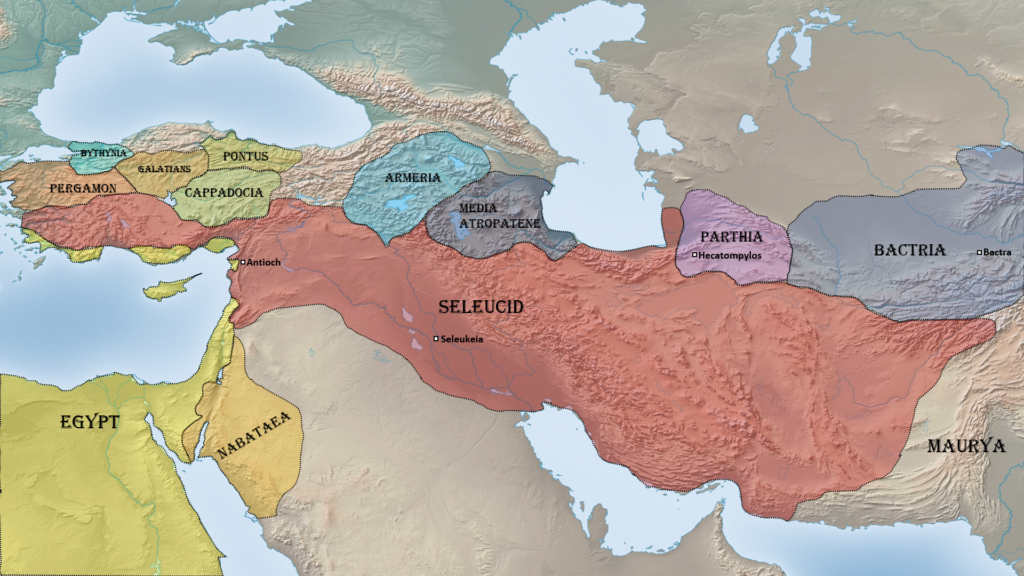
By the time Antiochus III came to the throne in 223 BC, the Seleucid Empire was already in a state of serious decline. Over the preceding decades, central authority had weakened and several regions had slipped from Seleucid control. Independent powers had emerged in Bactria and Parthia, while instability and rebellion had undermined Seleucid rule across Media & Persis. One notable exception existed in Asia Minor. There, the king’s cousin Achaeus acted in defense of Seleucid interests and achieved a measure of success in restoring the kingdom’s prestige. His campaigns forced the expansion of the Kingdom of Pergamon to retreat.
Antiochus inherited not a unified empire, but a fragmented political landscape marked by competing interests and declining loyalty to the royal court. Determined to reverse this trend, he set out to restore the authority and prestige of the Seleucid monarchy across Asia. The task before him was formidable. Reasserting control meant confronting powerful breakaway states and re-establishing influence across an immense territory that stretched from the frontiers of India in the east to the Hellenistic world of Macedonia in the west. Despite the scale of the challenge, Antiochus remained resolute in his ambition to rebuild the empire and re-establish Seleucid dominance in the eastern Mediterranean and beyond.
Consolidation
By 221 BC, Antiochus III had begun to stabilize parts of the troubled Seleucid Empire. Major uprisings of Molon and Alexander in Media and Persis were suppressed, and the influential but widely distrusted court minister Hermeias was removed and assassinated. Although unrest had not entirely disappeared, these measures helped restore a measure of authority to the Seleucid throne.
Meanwhile, Achaeus, who had been entrusted with authority in Asia Minor, eventually turned against the Seleucid crown and proclaimed himself king. His attempt to secure power, however, quickly encountered difficulties. Discontent began to spread among his own troops, many of whom were uneasy about rebelling against their legitimate ruler, Antiochus III. Facing the risk of a mutiny within his army, Achaeus temporarily abandoned his more ambitious plans and withdrew from open confrontation.
For the moment, Antiochus chose not to pursue the matter directly, though he continued to issue warnings and threats to his rebellious cousin. Instead, he redirected his attention toward the long-standing rivalry with Ptolemaic Egypt and renewed efforts to assert Seleucid influence in Coele-Syria. This renewed conflict eventually led to the Battle of Raphia in 217 BC, where the Seleucid forces suffered a major defeat at the hands of the Ptolemaic army.
With expansion toward the south effectively halted, Antiochus III redirected his attention to restoring authority in Asia Minor. In 216 BC, he led his army into western Anatolia to deal with the rebellion of his cousin, Achaeus. Over the course of the campaign, Antiochus gradually forced Achaeus back, and by 214 BC the rebel leader had been driven from the open field and confined within the city of Sardis. Achaeus was eventually captured and executed on the king’s orders. However, the citadel of Sardis continued to resist for some time afterward. Commanded by Achaeus’s widow, Laodice, the fortress maintained its defense until 213 BC, when it finally surrendered to Seleucid forces.
Preparing for the Eastern Campaign
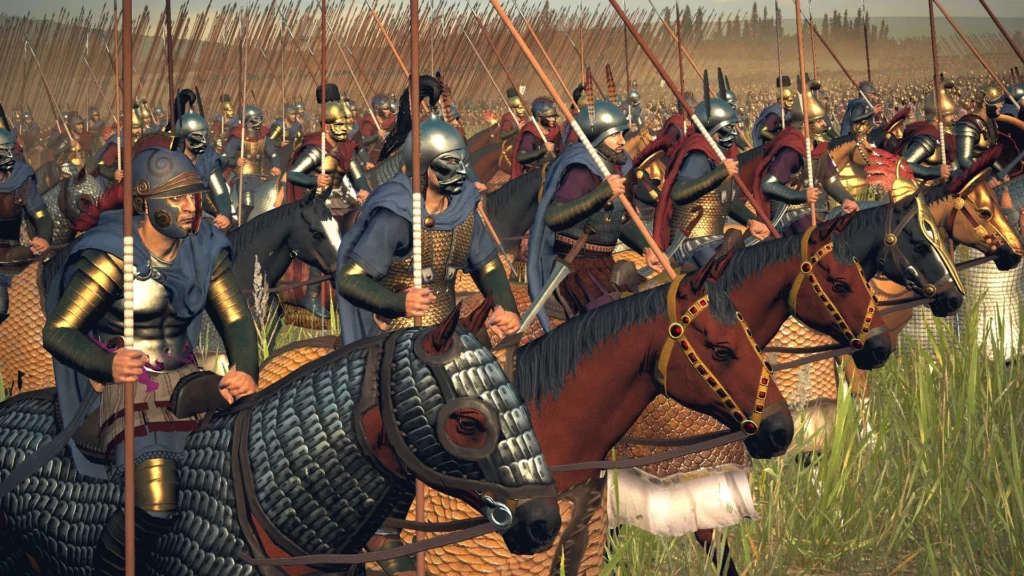
Antiochus III continued his advance, gradually consolidating Seleucid authority across the region. Although he had to accept the continued independence of several smaller kingdoms, including Pergamon, Bithynia, and Cappadocia, none of these states posed a serious obstacle to his broader strategic objectives. In 212 BC the Armenian king Xerxes was compelled to acknowledge Seleucid supremacy after Antiochus demonstrated the overwhelming strength of his army. Rather than launching an immediate campaign further east, Antiochus chose to pause and withdraw his forces. Beyond Armenia lay the emerging power of the Parthian Kingdom as well as the distant kingdom of Bactria. Any campaign in these regions would require a long and difficult march through hostile territory. Recognizing the scale of the challenge, Antiochus decided to delay further expansion and instead take time to prepare for what would inevitably be a demanding eastern expedition.
When Antiochus III finally launched his eastern campaign in 209 BC, he had already made careful preparations for warfare in difficult terrain against a highly mobile enemy. The Seleucid army advanced into Parthian territory with considerable efficiency, capturing the Parthian capital of Hecatompylos within only a few months. The campaign soon led to a decisive confrontation at the Battle of Mount Labus. After his defeat there, the Parthian king Arsaces II was forced to submit to Seleucid authority. Rather than removing him from power, however, Antiochus chose a more pragmatic solution. He allowed Arsaces to remain as ruler, effectively turning Parthia into a subordinate ally under Seleucid oversight. With Parthia brought under control, Antiochus was now free to pursue the primary objective of his eastern expedition: the wealthy and powerful kingdom of Bactria.
The Satrapy of Bactria: Wealth and Strategic Importance
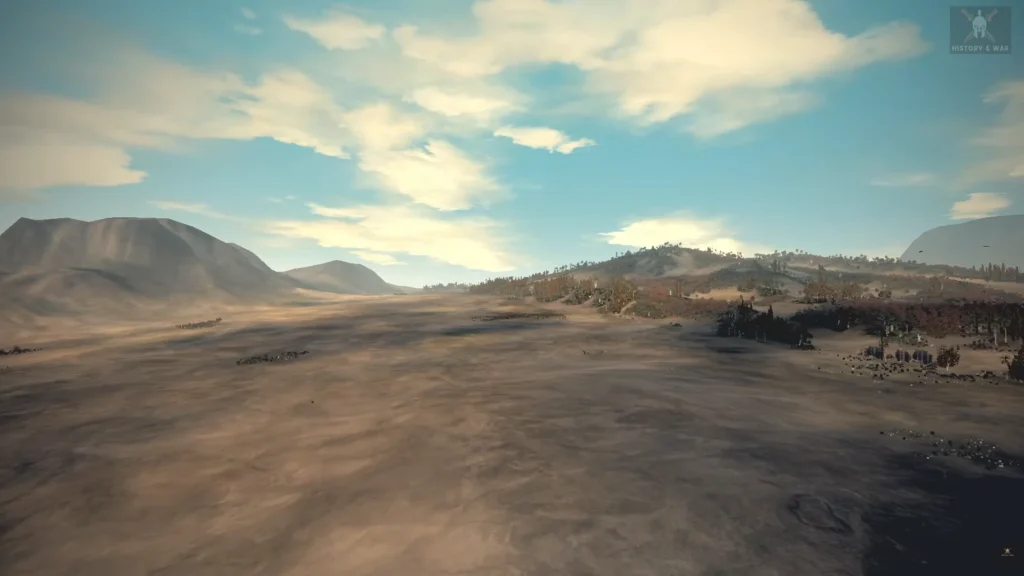
The satrapy of Bactria had long been regarded as one of the most valuable regions of the eastern Seleucid world. For the Greeks, its importance rested largely on its remarkable wealth. The land was both fertile and rich in natural resources, making it an economically significant territory. Bactria also occupied a strategically vital position. Located at the crossroads of major trade routes, it served as an important link between the Mediterranean world, Central Asia, and the markets of India. Goods and merchants regularly passed through the region, contributing to its prosperity. The fertile plains of Bactria, sustained by the waters of the Oxus River, produced large quantities of grain, grapes, and other agricultural products. In addition, the nearby mountains of the Hindu Kush were known to contain valuable mineral deposits, including silver. The region was also famous for its hardy Bactrian camels, animals well suited for long-distance transport across harsh landscapes, which further strengthened Bactria’s role in long-range trade. Given these economic and strategic advantages, Antiochus had strong reasons to seek the restoration of Seleucid authority over Bactria.
After the death of Alexander the great, Bactria passed under the control of the Macedonian general Seleucus I Nicator, who later founded the Seleucid dynasty. For many years the region remained an important, though distant, province of the Seleucid Empire. Greek settlers established themselves there alongside the local population, and the area was governed within the wider administrative structure of the empire. By roughly two hundred sixty BC, Bactria had become exceptionally prosperous. However, the very distance that separated Bactria from the Seleucid political center also created difficulties. Maintaining firm control over such a remote and expansive territory proved increasingly challenging for the Seleucid rulers.
The Greco-Bactrian Kingdom & Rise of Euthydemus
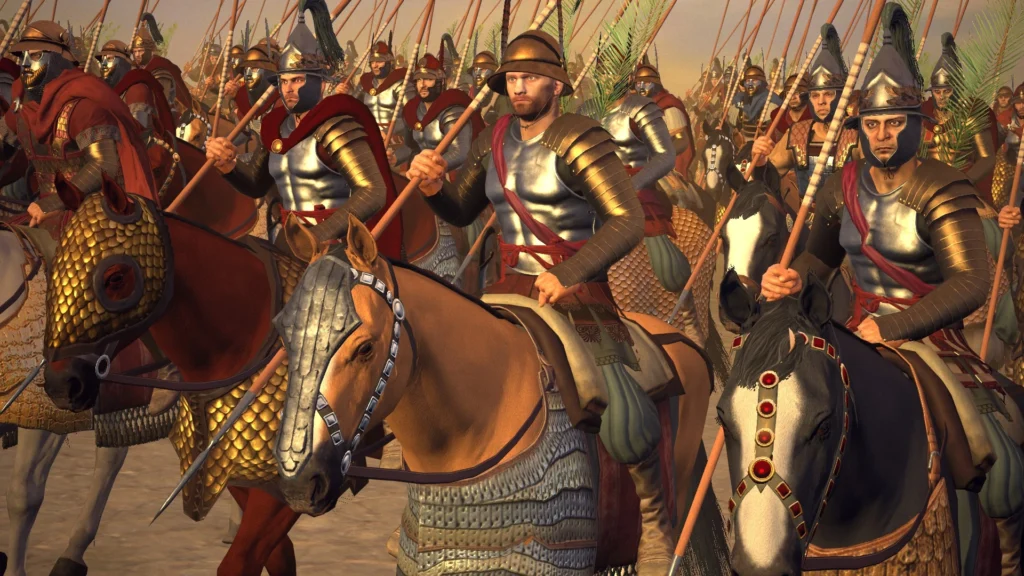
Around 250 BC, the satrap of Bactria, Diodotus I, took advantage of the declining authority of the Seleucid monarchy and proclaimed his independence. By doing so, he effectively separated the region from Seleucid rule and established what became known as the Greco-Bactrian Kingdom. At the time, the Seleucid rulers were heavily engaged in conflicts across other parts of their empire and were therefore unable to respond decisively to this breakaway. As a result, Diodotus maintained his position as an independent ruler, and after him his son, Diodotus II, continued to govern Bactria as a sovereign kingdom for several decades.
The newly established kingdom, however, soon encountered serious political challenges. To the west, the growing strength of Parthia began to threaten the security of Bactria. In response to this situation, Diodotus II sought to strengthen his position by forming an alliance with the Parthian ruler Arsaces. This policy was not well received among many members of the Greek elite in Bactria. A number of them regarded cooperation with Parthia as a betrayal of Hellenistic interests and traditions. As a result, dissatisfaction with the king’s policy gradually spread among the ruling circles of the kingdom.
Amid this growing political tension, a prominent noble named Euthydemus initiated a revolt against the ruling dynasty. Around 225 BC he successfully seized power, overthrowing and killing Diodotus II. This event brought the rule of the Diodotid dynasty to an end and marked the beginning of Euthydemus’s reign as the new king of Bactria.
The Bactrian Army: Strength and Composition
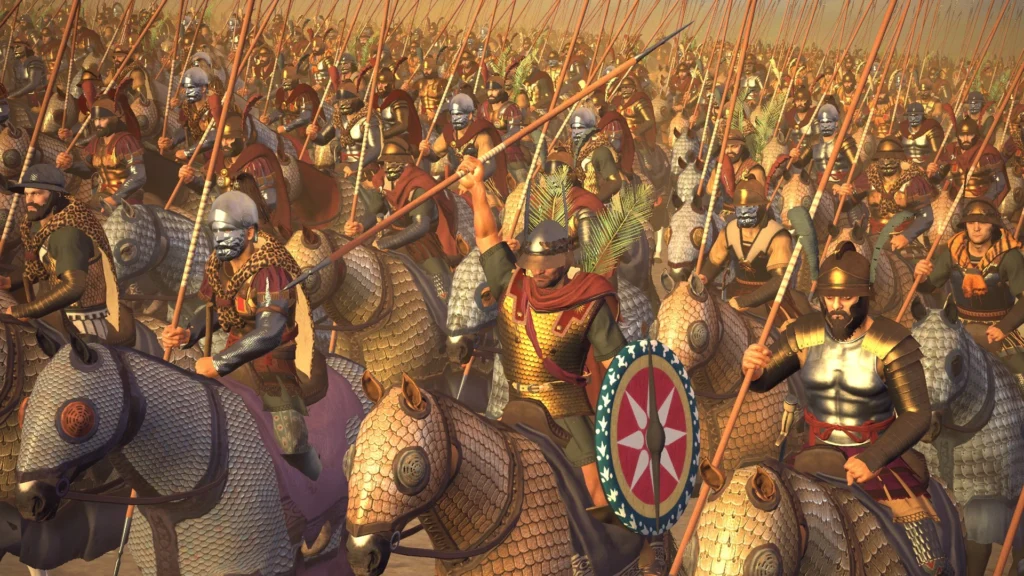
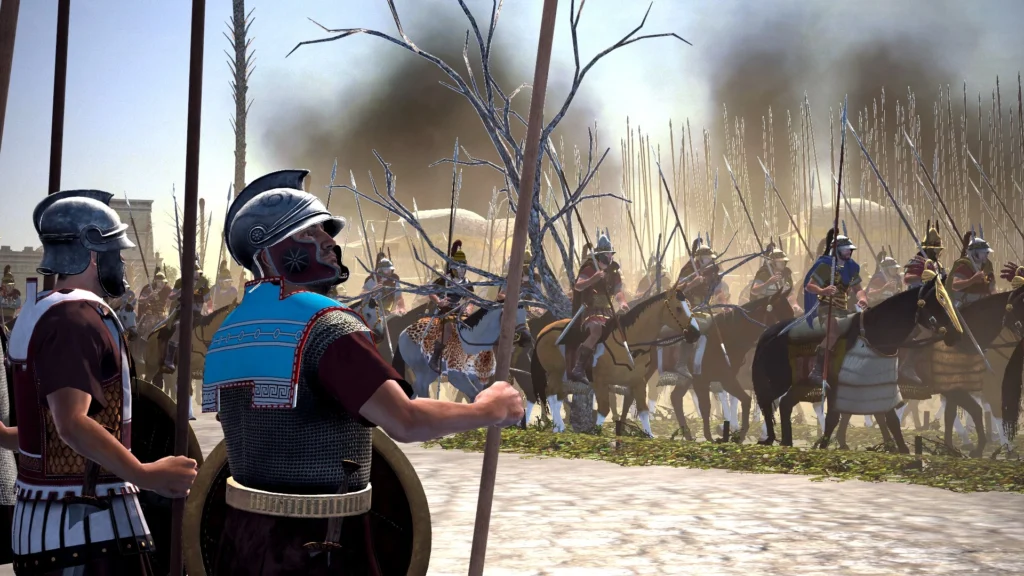
The Bactrian army was considered a formidable military force. The core of Euthydemus’s infantry likely consisted of Greek settlers who had been trained to fight in the traditional Macedonian style. These troops were probably supported by Bactrian light infantry, soldiers well adapted to warfare in difficult and mountainous terrain.
In addition to its infantry, the army also possessed several distinctive elements. Euthydemus is believed to have employed war elephants obtained from India, animals that could have a powerful psychological and tactical impact on the battlefield. His forces were also supported by a large logistical train that included Bactrian camels, animals particularly suited for transporting supplies across the harsh landscapes of Central Asia.
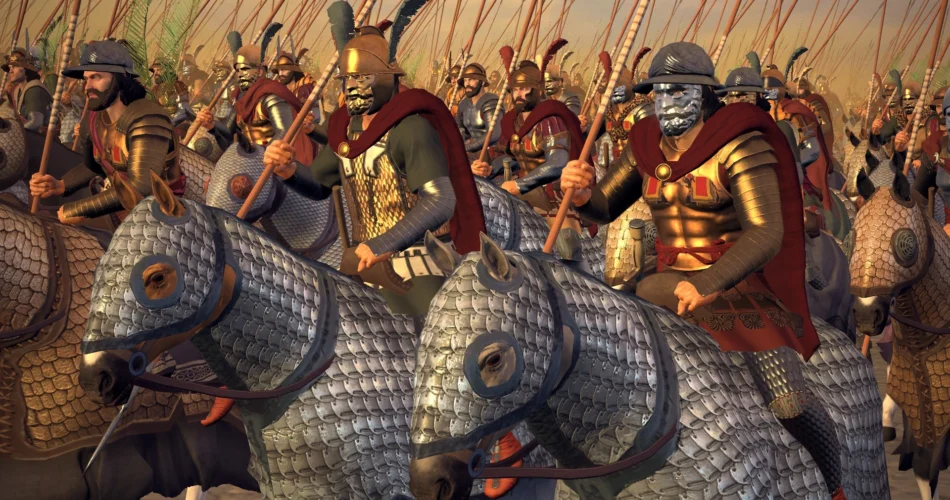
Bactria was also renowned for the quality of its cavalry, which ranked among the most formidable mounted forces in the Hellenistic world. Drawing on both Greek military traditions and the strengths of their Central Asian environment, the Bactrians developed a highly effective cavalry arm. Greek settlers contributed elements of Hellenistic military organization and discipline, while the region’s strong horse-breeding traditions provided excellent mounts. At the same time, interaction with nearby nomadic peoples, including groups such as the Parni and the Saka, influenced Bactrian warfare. These contacts exposed them to the mobile fighting styles of the steppe, further strengthening the effectiveness of their cavalry forces.
Antiochus Advances: Critical Intelligence on the Arius
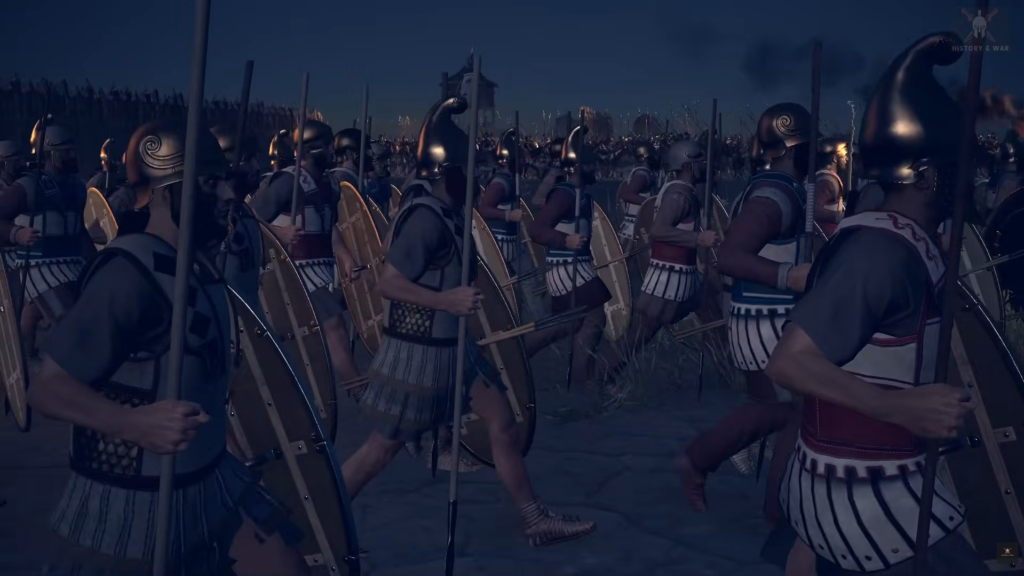
When Antiochus III advanced into Bactrian territory in 208 BC, Euthydemus responded swiftly. Leaving the capital at Bactra, he marched rapidly with a force of approximately ten thousand cavalry toward the Arius River. Antiochus would have to cross this river in order to approach Bactria, making it a strategically important position. Euthydemus established his camp on the opposite bank of the river and dispatched scouting parties to monitor the movements of the Seleucid army. Their task was straightforward: delay any attempt by Antiochus to cross the river until the main Bactrian army could arrive. For Euthydemus, the Arius River represented the ideal location to confront the advancing Seleucid forces.
When reports reached Antiochus III that the Bactrian cavalry had taken position along the Arius River, he was still about three days’ march away. For the first two days he continued his advance at a steady and measured pace. On the third day, however, he adopted a different approach. After the night meal, Antiochus ordered the main body of his army to resume the march at dawn the following day. Meanwhile, he personally set out during the night with a selected force consisting of cavalry, light troops, and around ten thousand peltasts. Moving rapidly, this advance detachment pushed ahead toward the river. This sudden acceleration was not simply impulsive.
Reconnaissance carried out by Seleucid scouts provided Antiochus with valuable intelligence regarding the Bactrian cavalry positioned along the Arius River. Their reports revealed a weakness in the defensive arrangement. The Bactrian horsemen were not permanently stationed at the river crossing. According to the Greek historian Polybius, the cavalry guarded the riverbank during the day but withdrew at night to a nearby city located more than twenty stades away. This routine created a temporary gap in the defense of the crossing. Recognizing the opportunity, Antiochus resolved to take advantage of this vulnerability and planned his movements accordingly.
The Battle Begins: Crossing the Arius River
Shortly before dawn, the Seleucid vanguard arrived at the Arius River and immediately began to cross before the Bactrian cavalry became aware of their approach. By the time the sun began to rise, Antiochus’ advance force had secured the crossing, and a portion of the troops had already reached the opposite bank without encountering resistance. However, the situation remained dangerous. The bulk of the Seleucid army was still marching behind and had not yet reached the river. This meant that Antiochus’ forward detachment was temporarily exposed, and it would not be long before the Bactrian cavalry arrived to challenge the crossing.
The Bactrian response came sooner than Antiochus had anticipated. While the final elements of the Seleucid force were still in the process of crossing the river, the situation suddenly became far more dangerous. A force of roughly ten thousand Bactrian cavalry, alerted by their scouts to Antiochus’ maneuver, advanced rapidly toward the crossing. Their objective was clear: to drive the Seleucid troops back across the river before the rest of the army could arrive. At the same time, the sudden encounter presented them with a rare opportunity. If they could break the Seleucid vanguard quickly, they might even succeed in killing or capturing Antiochus himself.
As the dust of the approaching cavalry rose on the horizon, Antiochus immediately understood the danger. The Bactrian horsemen were advancing rapidly, and the Seleucid troops were still in the process of crossing the river. Many soldiers had not yet taken their proper positions, and the army was far from ready for a full engagement. Yet there was no possibility of retreat. If the Bactrians struck while the army was disorganized, the entire vanguard could be thrown back into the river.
Realizing that he would have to absorb the first shock of the attack himself, Antiochus acted quickly. He called for the two thousand cavalrymen who formed his personal guard—experienced horsemen who were accustomed to fighting at the king’s side. These were elite troops, loyal and disciplined, and they gathered around him without hesitation.
At the same time, Antiochus issued urgent orders to the rest of his force. Officers were instructed to form their companies and squadrons wherever they stood. Infantry began assembling their ranks along the riverbank, while other cavalry units hurried to organize themselves as best they could. The ground was chaotic, filled with men shouting orders, horses being turned into line, and soldiers struggling to prepare for battle before the enemy arrived.
But there was no time to wait. With the Bactrian cavalry already closing the distance, Antiochus spurred his horse forward and led the royal guard out ahead of the still-forming army. The two thousand riders followed him, forming a compact body of cavalry that moved directly toward the enemy. Across the field, the Bactrian horsemen were equally determined.
Cavalry Clash: Desperate Fighting Around the King
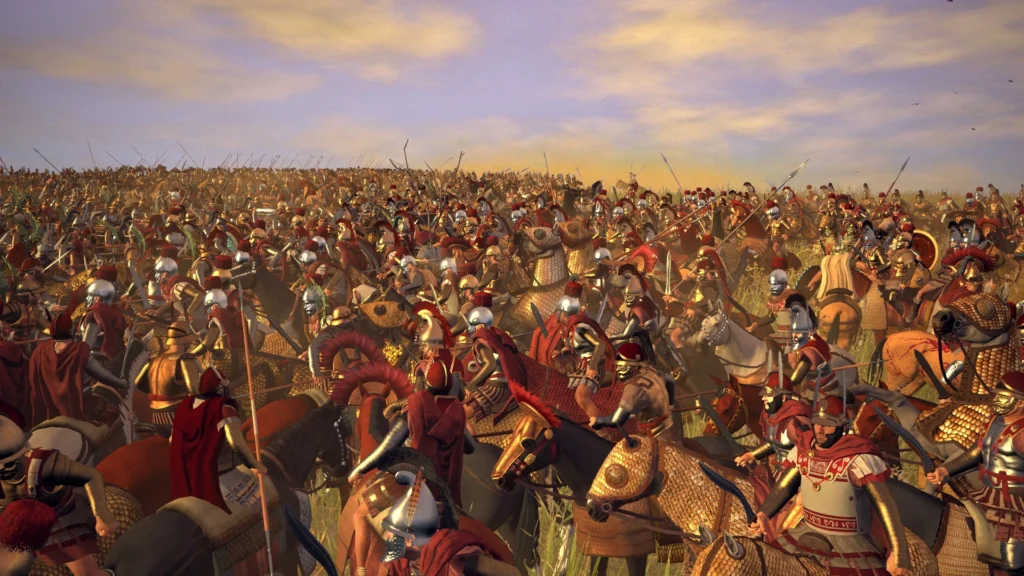
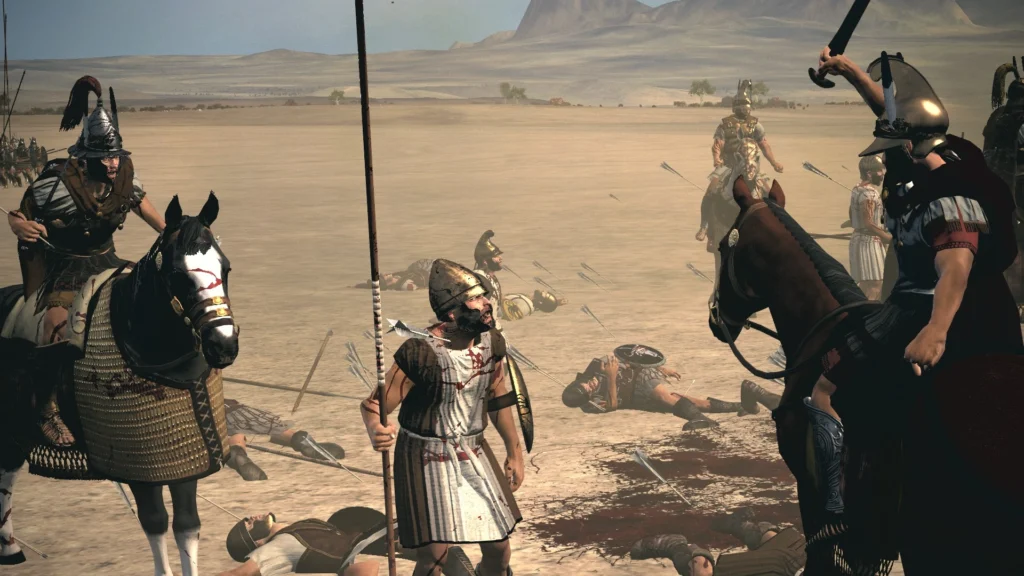
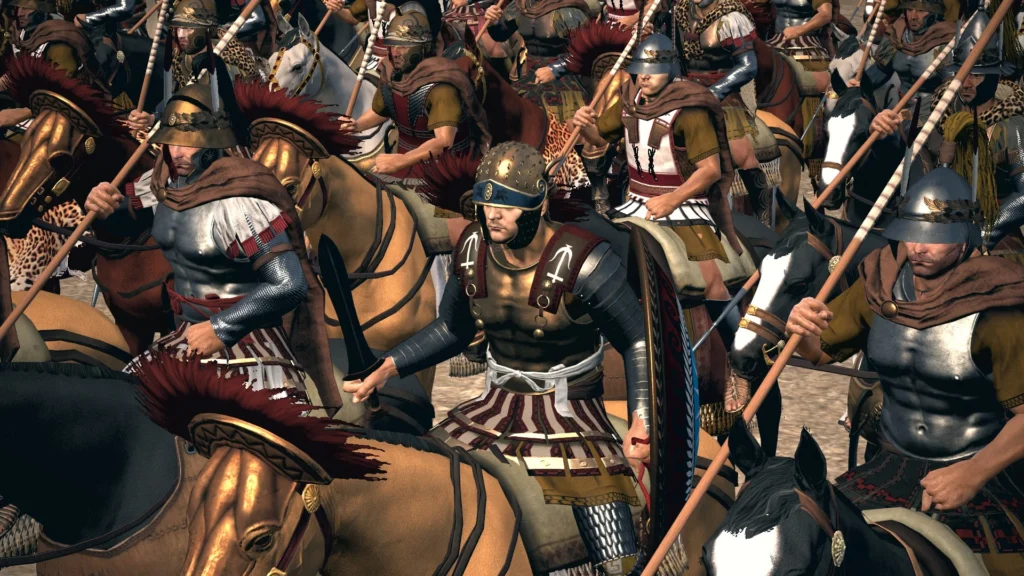
Within moments the distance between the two forces vanished. The clash came with tremendous violence. Horses collided, spears thrust forward, and the battlefield erupted into a furious struggle of men and steel. Antiochus and his guard met the leading Bactrian squadrons head-on, attempting to hold them long enough for the rest of the Seleucid army to organize behind them. What followed was a desperate cavalry fight. Outnumbered but determined, the royal guard fought fiercely around their king, trying to blunt the momentum of the Bactrian charge while the fate of the entire army hung in the balance.
The struggle soon turned into a brutal contest of endurance. Antiochus’ bodyguard fought with grim determination, forming a tight formation around their king as the Bactrian cavalry pressed in from all sides. The clash of weapons and the thunder of hooves echoed across the riverbank as riders struggled for control in the swirling melee.
In the first moments of the encounter, the Seleucid guard managed to strike with surprising force. Charging forward with discipline and momentum, they drove back the leading Bactrian squadron. Several enemy riders were unhorsed, and for a brief moment it seemed that the smaller Seleucid force might hold the field.
But the advantage was short-lived. More Bactrian cavalry were already advancing behind the first wave. A second squadron crashed into the fight, followed soon after by a third. Fresh riders forced their way into the crowded struggle, their numbers steadily increasing the pressure on the Seleucid line.
Gradually the weight of numbers began to tell. Surrounded and heavily outnumbered, the royal guard found themselves fighting harder with every passing moment. Horses stumbled, men fell, and the defenders were forced back step by step as the Bactrian cavalry continued to surge forward.
From the opposite bank of the river, the remaining Seleucid soldiers watched the desperate struggle unfolding. Commanded by the officer Panaetolus, these squadrons had been held back in reserve, intended to respond if the situation suddenly turned against the army. Now, as the dust and chaos of the fight revealed the king’s cavalry being pushed to their limits, it became clear that the moment for intervention had arrived.
By this time many of the Seleucid horsemen had already completed the crossing and gathered on the field. Recognizing the urgency of the situation, Panaetolus acted decisively. He ordered the cavalry under his command to advance at once. Trumpets sounded, and the mounted squadrons surged forward toward the struggling royal guard.
Turning the Tide: Seleucid Counterattack
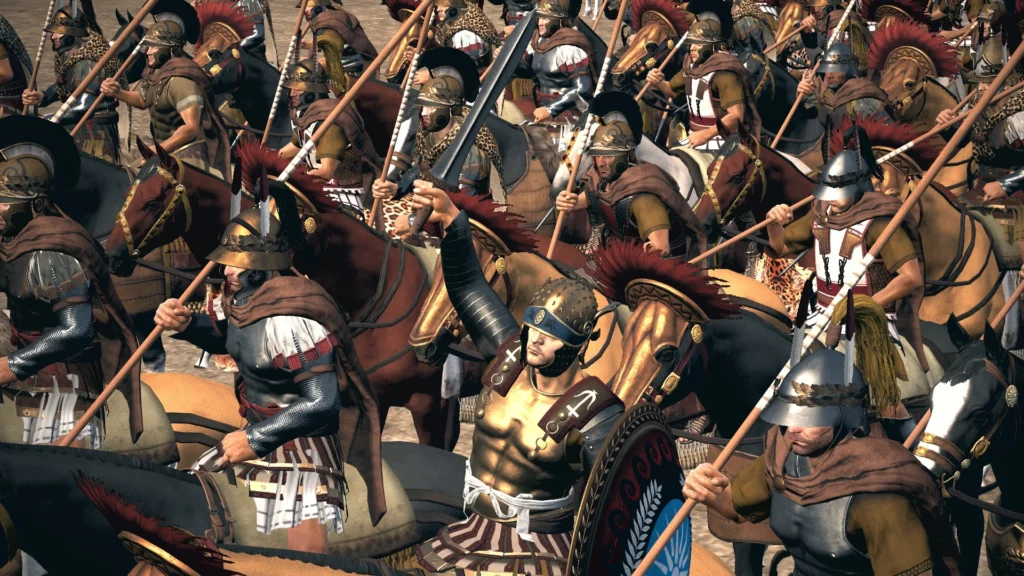
They struck the battlefield with powerful momentum. The fresh Seleucid cavalry crashed into the Bactrian riders who were still pressing their attack against Antiochus and his exhausted bodyguard. Caught in the midst of their assault and now confronted by a newly formed enemy line, the Bactrian cavalry began to lose their cohesion. Their formations, already loosened by the chaotic melee, could not withstand the sudden counterattack. Under the weight of the Seleucid charge, their line began to break.
What had moments earlier been an aggressive assault now turned into a disorderly retreat. Riders attempted to pull back, but the Seleucid cavalry pressed them relentlessly. Panic spread among the Bactrian ranks as they wheeled their horses and fled the battlefield. The pursuit continued for some distance, and the fleeing cavalry did not slow until they finally reached the safety of Euthydemus’ main force.
The fight had been particularly intense around the king himself. During the melee Antiochus’ horse had been struck down beneath him, throwing him into the chaos of the battle. At one point he also received a violent blow to the mouth that knocked out several of his teeth. Yet despite these injuries, he continued to fight and direct his troops. His conduct during the battle left a powerful impression on those who witnessed it. By standing firm in the thick of the fighting and sharing the dangers faced by his soldiers, Antiochus earned a reputation for exceptional personal bravery.
The losses were severe. More than 2000 Bactrian cavalry involved in the attack were killed, captured, or scattered during the fighting and the pursuit. The Seleucid horsemen, though battered by the struggle, had managed to turn the battle in their favor. After inflicting heavy casualties and capturing numerous prisoners, they eventually withdrew and established camp beside the river.
Aftermath: Siege of Bactra and Diplomatic Resolution
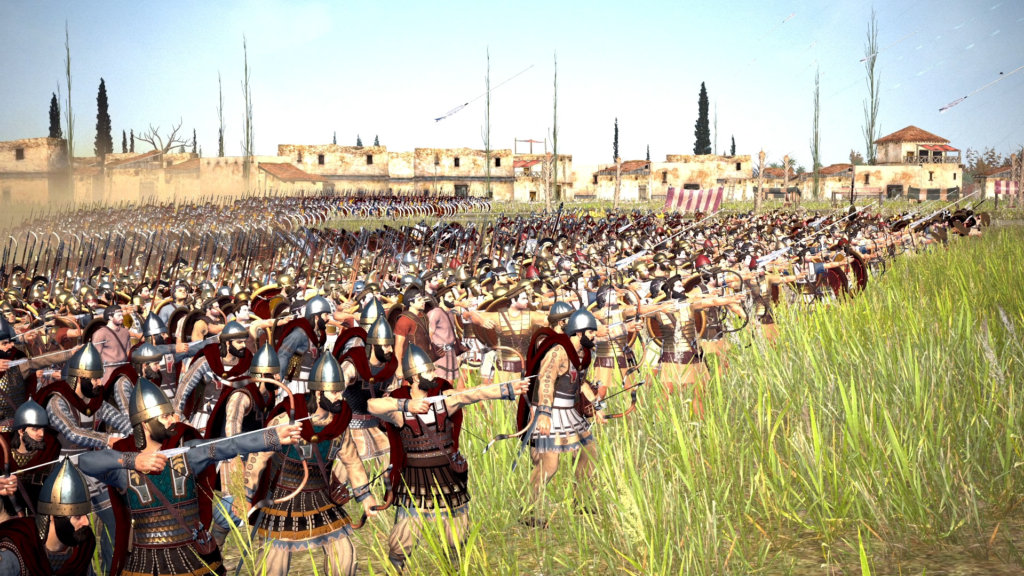
Euthydemus withdrew to his capital at Bactra, where the majority of his forces remained intact. He resolved to mount a protracted defense, aiming to compel Antiochus III to seek terms rather than achieve a decisive victory. Bactra, with its substantial fortifications, provided an ideal setting for such a strategy. Antiochus, after regrouping with the main body of his army, advanced toward the city, arriving in 208 BC to encounter a strongly defended urban center. The city withstood the Seleucid siege for two years, demonstrating the resilience and strategic foresight of the Greco-Bactrians.
During this period, developments in the western regions of Antiochus’ empire forced him to reconsider the continuation of the siege. With his position in the west becoming increasingly precarious, Antiochus chose to lift the siege of Bactra. In response, Euthydemus dispatched his son, Demetrius, as an emissary to negotiate a formal peace. Demetrius’ conduct and demeanor impressed Antiochus, who regarded him as fitting the stature of royalty. As a result, Antiochus offered one of his daughters in marriage and agreed to a peace treaty. To further solidify the agreement, Euthydemus provided the Seleucid army with provisions and gifted Antiochus the Bactrian elephant corps.
In the preserved correspondence recorded by Polybius, Euthydemus argued that Antiochus’ campaign was based on a misapprehension: he had not revolted against the Seleucid dynasty but had instead overthrown the line of Diodotus, who had instigated rebellion. Euthydemus emphasized that his rule served to safeguard the Hellenic world from external threats beyond Bactria. Recognizing the validity of these points, Antiochus accepted the terms, requiring only that Euthydemus formally acknowledge Seleucid suzerainty while allowing him to retain his throne and govern independently by 206 BC.
Legacy: How Antiochus Became “The Great”
Satisfied with the outcomes of his eastern campaign, Antiochus III returned to his capital, Seleucia, likely arriving in time to observe the New Year in April of 205 BC. His successful efforts to restore Seleucid authority in the eastern provinces earned him the honorific title “the Great.” Nevertheless, this period of achievement would prove temporary, as the expansion and consolidation he had accomplished would eventually be overturned by Rome, culminating in his decisive defeat at the Battle of Magnesia in 190 BC. The details of that subsequent conflict, however, belong to a later chapter of history.
© 2026 History and War
Author: Jishu Roy
Unauthorized reproduction of this content is prohibited.