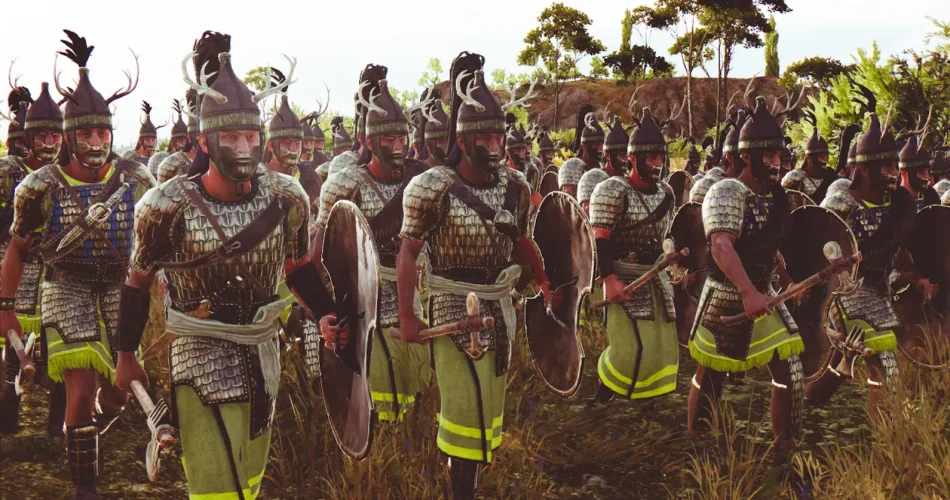
Shadow of the Armenian Mountains
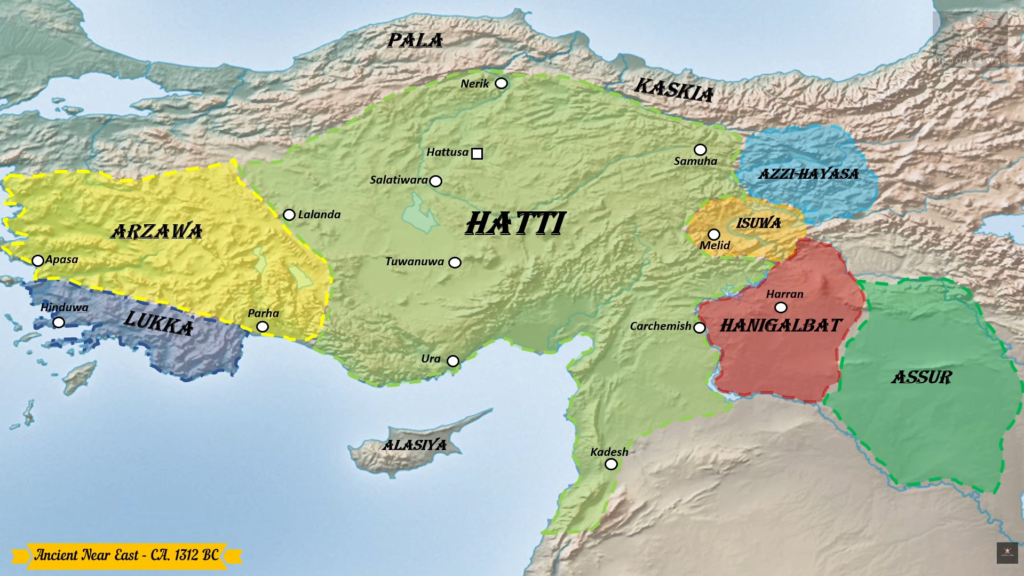
Today our story begins in the shadow of the Armenian mountains, where the Hittite Empire faced its fiercest enemy — the Azzi-Hayasa. For more than fifty years, the Azzi-Hayasa confederation had stood as the fiercest thorn in the Hittite Empire’s side. From the mountains of the north, they struck with raids and defiance, resisting every attempt to bring them to heel. In the year 1312 before Christ, the struggle reached its climax. Outside the city of Ganuvara, Hittite legions under the command of General Nuvanza faced the warriors of Azzi-Hayasa in a battle that would decide the future of the northern frontier. On that field, two enemies who had tested each other for half a century prepared for one final reckoning.
Tudhaliya III and the Crisis of Hatti
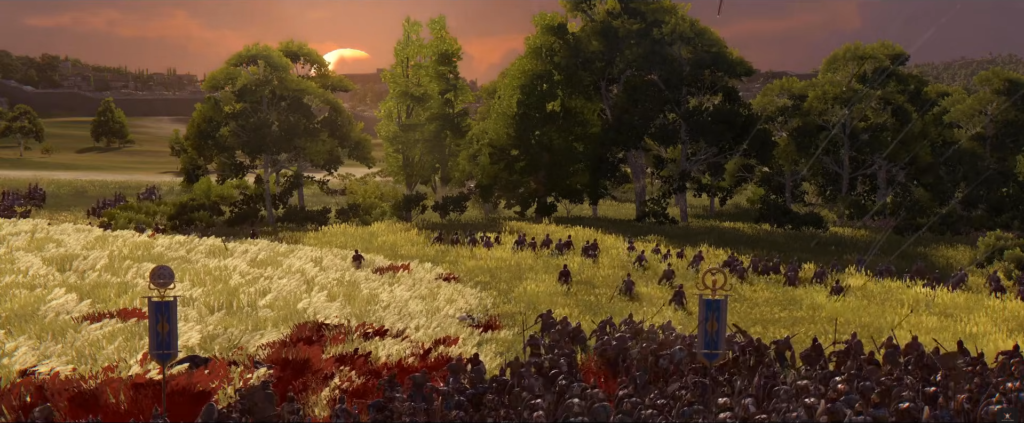
When Tudhaliya III ascended the Hittite throne around 1380 BC, the empire was beset on all sides. Enemies swept through its borderlands, overrunning subject territories and even striking into the heartland itself. Hattusa, the royal capital, was captured and burned to the ground. We learn of this catastrophe from the historical preamble to a decree issued later by King Hattusili III in the thirteenth century. In his words: “In earlier days, the Hatti lands were sacked by their enemies. The Kaskan foe came and ravaged the Hatti lands, making Nenassa his frontier. From the Lower Land came the Arzawan enemy; he too sacked the Hatti lands and made Tuwanuwa and Uda his frontier. From afar came the Arawanna enemy, who plundered the land of Gassiya. From afar came the Azzi enemy, who devastated all the Upper Lands and made Samuha his frontier. The Isuwa enemy came and ravaged the land of Tegarama. From afar came the Armattan enemy, who also plundered the Hatti lands, making Kizzuwadna his frontier. And Hattusa, the city, was burned down.”
The Azzi-Hayasa Kingdom – Fierce Confederation of the North
The Azzi-Hayasa kingdom was likely a political confederation of several small states, although much about it remains uncertain. Hayasa and Azzi appear to have been the most prominent among them. Their territory was centered in the Armenian Highlands. The textual records suggest that the Hittite homeland suffered devastating attacks and was left in near-total ruin. Yet this description should not be taken entirely literally. The survival of the king, the royal court, and a capable fighting force indicates that the kingdom retained enough strength to begin reclaiming its lost territories within just a few years of these dark times.
Hittite Reconquest – Samuha and the Upper Lands
The city of Samuha, which originally part of the Hittite realm but later captured by the Azzi-Hayasa kingdom, became the first target of the Hittite reconquest. After considerable effort, the Hittites managed to retake the city and established it as a temporary power base. With momentum shifting in their favor, Suppiluliuma led an expeditionary force against the Azzi-Hayasa. Initially, the enemy avoided direct confrontation, maneuvering strategically to delay engagement. Eventually, a Hittite army under the joint command of Tudhaliya and Suppiluliuma advanced into Azzi-Hayasa territory and compelled its king, Karanni (or Lanni), to face them in battle near the city of Kummaha. Although the historical record does not preserve the outcome of this engagement, it is almost certain that the campaign resulted in Hittite dominance. Following this, Suppiluliuma incorporated Azzi-Hayasa as a vassal state, formalizing a treaty with its ruler, Hukkana, who was also connected to the Hittite royal family through his marriage to Suppiluliuma’s sister. According to the terms of the treaty, the Hayasans were required to return all Hittite subjects who had entered their territory and to restore any borderlands claimed by the Hittites as part of the Land of Hatti.
Renewed Resistance – Anniya and the Upper Land Incursions
Yet the flame of resistance was far from extinguished. In the seventh year of his reign, Mursili II faced renewed challenges in the kingdom of Azzi-Hayasa, which had previously been reduced to vassal status by his grandfather, Tudhaliya III. At this time, the kingdom was ruled by Anniya, who had launched an incursion into the Land of Dankuwa and forcibly relocated its population to his own territory. In response, Mursili advanced to the borders of Azzi-Hayasa and demanded the return of the captured subjects. When Anniya refused, Mursili immediately attacked the border fortress of Ura. His campaigns against Azzi-Hayasa likely continued into the eighth year of his reign, though the historical record for this period is fragmentary. It is clear, however, that before he could complete the reconquest and fully pacify the region, other events of significant importance intervened.
Strategic Maneuvers – Coordinating Campaigns Across Three Fronts
By the beginning of Mursili II’s ninth year, Anniya of Azzi-Hayasa remained unsubdued and continued to defy the Hittite king’s demands for the return of his subjects. At the same time, unrest erupted in the Land of Pala, where the city of Wasumana broke away from Hittite control. Around this period, Mursili II’s brother and Syrian viceroy, Sharri-Kushuh, suddenly fell ill and died, a loss that placed Hittite authority in Syria in serious jeopardy. Once again, the Nuhashshi lands rose in revolt, but the unrest was not confined to that region. In Kadesh, Aitakkama, who had been installed as a vassal ruler by Suppiluliuma, also seized the opportunity to break ties with Hatti. More seriously, news of Sharri-Kushuh’s death encouraged the Assyrians to invade and occupy the kingdom of Carchemish. Meanwhile, to the north-east of the Hittite homeland, the king of Azzi-Hayasa launched a counter-offensive, invading the Upper Land, devastating the territory of Istitina, and placing the city of Kannuwara under siege.
The Battle of Ganuvara – Chariots, Infantry, and Victory
Confronted with the need to conduct military campaigns in three regions simultaneously, Mursili II once again demonstrated the decisive leadership that had marked the early years of his reign. He dispatched his general Kurunta to suppress the rebellion of the Syrian vassals, while sending another capable and experienced commander, Nuwanza, to expel the Azzi-Hayasan forces from the Upper Land. Meanwhile, the king personally marched to Ashtata on the Euphrates to prepare for an expedition aimed at driving the Assyrians from Carchemish.
Nuwanza had already distinguished himself in Mursili II’s second year, when he was sent with an army to Kadesh to reinforce Sharri-Kushuh against the threat of an Assyrian invasion. Consequently, the campaign in the Upper Land could safely be entrusted to his command. However, he delayed taking action, insisting that the augurs and soothsayers first be consulted. Likely frustrated by this postponement and the reason behind it, Mursili personally observed the omens and subsequently sent word to Nuwanza, granting him permission to proceed with the campaign.
The city of Ganuvara remained under Hittite control, but its walls trembled under the siege of the Azzi-Hayasa forces. Outside the city, Nuvanza led a relief army, determined to break the encirclement and crush the enemy. Across the dusty plain, ten thousand enemy warriors and seven hundred chariots waited, their banners snapping in the wind, war cries rising like a storm.
The Hittites deployed according to their standard doctrine. Elite chariots formed the first striking force, ready to smash into the enemy lines with speed and precision. The main infantry advanced as a second line, prepared to exploit any gaps created by the chariots, while light infantry were positioned on the flanks to skirmish, harass the enemy, and protect the Hittite wings.
As the chariots thundered forward, the ground shook beneath their wheels, horses screaming and spears bristling. The Azzi-Hayasa formations faltered under the sudden, violent impact; dust and chaos engulfed their front ranks, and cohesion began to break. Immediately following the chariot strike, disciplined Hittite infantry advanced into the gaps, exploiting the disorder. Shields locked and spears thrust with deadly coordination, they pressed the enemy relentlessly, pushing through broken lines while archers and slingers harried the flanks and rear. Every volley of arrows, every clash of spear against shield, reinforced the momentum created by the chariots.
The battle raged for hours, the Azzi-Hayasa fighting fiercely to hold the siege, but the Hittite combination of shock chariots, advancing infantry, and supporting missile fire proved unstoppable. By the end of the day, the enemy had been decisively defeated; many lay dead, others were captured, and the siege of Ganuvara was lifted. The city remained firmly in Hittite hands, a testament to the disciplined execution of Hittite warfare and Nuvanza’s skillful command.
The Fall of Azzi-Hayasa and Hittite Dominance
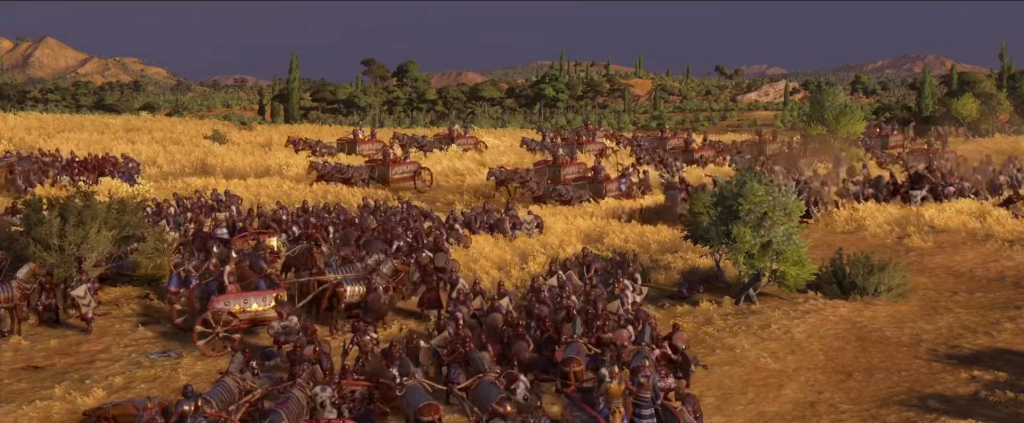
The battle appears to have effectively destroyed the military power of the Azzi-Hayasa confederation, as they are not subsequently recorded undertaking any major military actions. However, the campaigning season ended before the Hittites could capitalize fully on their victory by invading and reconquering Azzi-Hayasa itself. This task was effectively completed by Mursili II in his tenth year, although the formal submission of the region did not occur until the following year. Thereafter, the Azzi-Hayasa confederation remained a Hittite vassal until the collapse of the Hittite Empire during the Late Bronze Age. The ultimate fate of the confederation is unclear, but it most likely assimilated with other local peoples in the region and may have contributed to the population that later formed the kingdom of Urartu, and ultimately the ancestors of modern Armenians.
© 2026 History and War
Author: Jishu Roy
Unauthorized reproduction of this content is prohibited.