The Road to Akragas
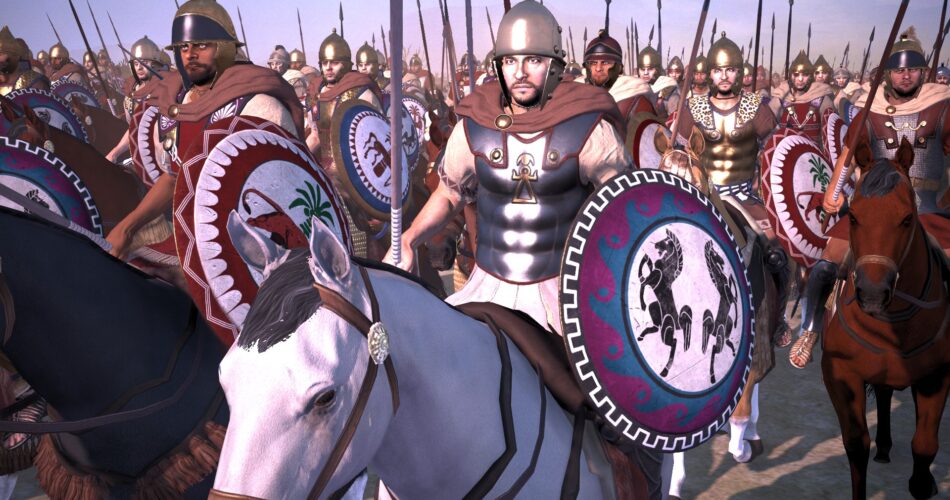
The year was 406 BC. And the Carthaginians had once again returned to Sicily. This time, their target was the richest city on the island—Akragas. A large army, led by the Carthaginian general Hannibal Mago, marched inland to destroy it. But the siege did not go as expected. The defenders held their walls. And soon, it was not the city—but the invaders—who began to suffer. Disease spread through the Carthaginian camp, killing thousands… including Hannibal Mago himself. The army was weakened, supplies uncertain, and morale shaken. Under normal circumstances, that might have ended the siege, but it didn’t. At this stage, however, an opportunity arose—not on land, but at sea. A single naval strike would turn near defeat into victory— and seal the fate of Akragas.
Background to the Campaign
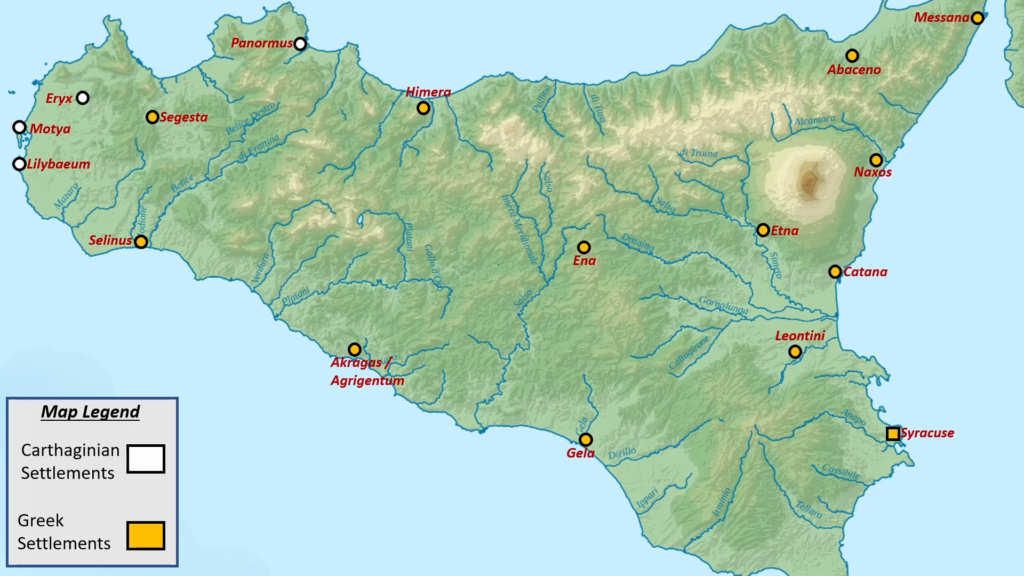
Hannibal’s campaign of 409 BC is sometimes interpreted as a personal effort by the Magonid family to avenge earlier defeats. However, this interpretation is no more convincing than similar claims made about his grandfather. While the destruction of Selinus certainly brought immense suffering and yielded substantial plunder, it likely served a broader strategic purpose: to instill fear across Sicily, including among communities beyond the Carthaginian sphere of influence. The actions taken at Himera appear to have followed the same logic. At the same time, they carried an additional symbolic dimension, representing a deliberate attempt to erase the memory of Carthage’s defeat seventy years earlier at the Battle of Himera. This sense of historical grievance was not limited to Hannibal himself. His grandfather, Hamilcar, had come to be venerated within the Punic world, and avenging his defeat would have held both religious and political significance, reinforcing support among Carthage’s allies and honoring the expectations of their gods.
Despite their success in 409 BC, the Carthaginians appear to have given limited consideration to the wider consequences of their campaign. Beyond maintaining garrisons in western Sicily, their settlement policy was relatively restrained. The displaced inhabitants of Selinus were permitted to return, although they were required to pay tribute to Carthage. In contrast, Himera was not rebuilt. Instead, Carthage established a new settlement in 407 BC approximately 12 kilometers to the west, at a site known for its hot springs. This colony, founded with settlers from North Africa, was named Thermae Himeraeae. In time, some survivors of the destroyed city may also have been allowed to settle there. By this stage, however, tensions in Sicily had not subsided. Rather, conditions were already developing that would lead to renewed Carthaginian military intervention on the island.
Hermocrates and the Renewal of War
Renewed tensions may, in part, be linked to a Greek attempt at retaliation in 408 BC led by the Syracusan exile Hermocrates. Once a leading figure in Syracuse, he had been driven into exile by political opponents and sought to regain influence by targeting Carthaginian interests in western Sicily. With a relatively small mercenary force, Hermocrates seized control of Selinus, where he rallied surviving inhabitants and other displaced Greeks. His forces, numbering around 6,000, then launched attacks against the Phoenician centers of Motya and Panormus, defeating local troops—likely including Carthaginian garrisons—and securing considerable plunder. He also returned to Himera, where he arranged proper burial for Syracusan soldiers who had fallen in earlier fighting. Despite these efforts, Hermocrates failed to secure his return to power. In 407 BC, he attempted to re-enter Syracuse by force, but the effort ended in his death.
The ill-judged campaign of Hermocrates in western Sicily appears to have strengthened Carthaginian resolve. His attacks on settlements within the Carthaginian sphere of influence renewed tensions at a time when the situation might otherwise have stabilized. This situation was further complicated in 407 BC when an embassy from Syracuse arrived, reportedly criticizing Carthage for the war and calling for its end. The reasoning behind this mission is difficult to explain. By that point, responsibility for the continuation of hostilities lay less with Carthage and more with Hermocrates’ actions. If, instead, the Syracusans were referring to Hannibal’s campaign of 409 BC, the protest came considerably late. In either case, the embassy was unlikely to achieve its objective. Rather than promoting reconciliation, it would more likely have reinforced Carthaginian irritation. Preparations for a renewed expedition were already underway—developments that Syracuse would have been aware of, given the visible scale of mercenary recruitment and military mobilization. Under these circumstances, the embassy may have been interpreted not as a genuine attempt at negotiation, but as a provocation.
The successes achieved by Hannibal Mago during his first expedition in Sicily encouraged Carthage to consider the possibility of extending its control over the entire island. As a result, the Carthaginians decided to organize a second expedition and initially appointed Hannibal to lead it. He was reluctant to accept the command, citing his advanced age. However, he eventually agreed on the condition that he would not serve alone. Command was therefore shared with Himilco, the son of Hanno and a relative of Hannibal.
Carthaginian Preparations
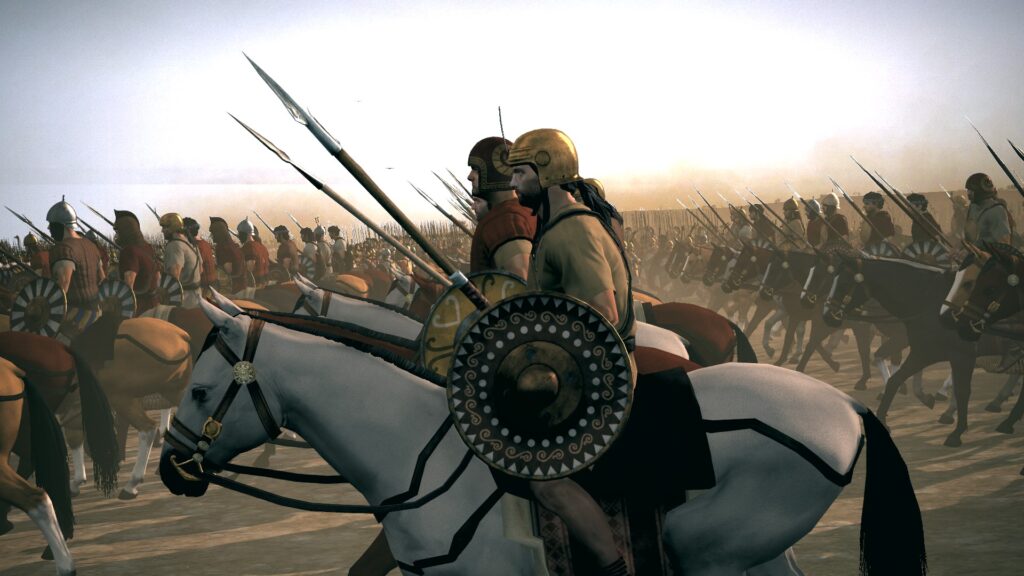
The two commanders, Hannibal Mago and Himilco, undertook extensive preparations to raise a large and diverse army. Envoys were dispatched to negotiate with leaders in Iberia and the Balearic Islands, while the generals themselves recruited troops across North Africa and the Phoenician settlements along the coast. Additional mercenaries were hired from various regions, including Italy.
The scope of recruitment was broader than in earlier campaigns, drawing in Iberians, Balearic islanders, Libyans, and Libyphoenicians, as well as contingents from Sardinia, Campania, Mauretania, Numidia, and the Lepcis–Cyrene region. As is often the case in ancient sources, the reported size of the army varies considerably. Ephorus gives a highly exaggerated figure of 300,000 men, while Xenophon and Timaeus suggest a total of around 120,000. Although the exact number cannot be established with certainty, the scale of these preparations indicates that Carthage intended to mount a major campaign, aimed at delivering a decisive and lasting blow to the Greek cities of Sicily.
The Invasion of Sicily (406 BC)
In 406 BC, three years after the initial campaign, the Carthaginian expedition finally set out for Sicily. The force was transported in more than a thousand vessels, escorted by a fleet of approximately 120 warships. Ancient sources, including Diodorus Siculus, suggest that Carthage aimed to extend its authority over the entire island. While this objective cannot be confirmed with certainty, the scale and severity of the campaign lend some support to this view. The widespread devastation inflicted across Sicily—from the edge of the Carthaginian sphere of influence to the vicinity of Syracuse—indicates a strategy that went beyond limited objectives.
The Opening Naval Engagements
The opening phase of the Carthaginian campaign encountered early difficulties. A naval detachment of approximately forty triremes, likely en route to Panormus, was intercepted off the coast near Eryx by a Syracusan force of similar size. After a prolonged engagement, the Syracusans gained the advantage, sinking around fifteen Carthaginian vessels and forcing the remainder to withdraw toward the African coast. Upon learning of this setback, Hannibal Mago responded by putting to sea with a reinforcement of fifty ships. Faced with this stronger force, the Syracusan squadron chose to withdraw. At this point, it became clear that the Carthaginian invasion could not be stopped at sea. The focus therefore shifted to preparing for resistance on land.
Greek Preparations for War
The Sicilian Greek states recognized the growing threat. Syracuse sent embassies to the Greek cities of southern Italy, to Sparta, and to other Greek communities on the island, seeking assistance. In contrast to the fragmented response to Hannibal’s earlier campaign three years before, a more coordinated effort now emerged. Syracuse, Akragas, and several other cities began organizing their forces and agreed to cooperate in resisting the Carthaginian advance. Greek states in Italy, concerned by the situation, contributed troops to support Syracuse and its allies. At the same time, Akragas strengthened its own defenses by hiring around 1,500 mercenaries under a Spartan commander, Dexippus. The city also incorporated approximately 800 Campanian soldiers—former members of Hannibal’s army—who had deserted due to dissatisfaction with their pay.
March on Akragas
In the summer of 406 BC, the Carthaginian commanders landed their large army in Sicily without opposition and advanced inland toward Akragas. Their march across the island met with no resistance, allowing them to reach their objective without difficulty. Akragas was widely regarded as one of the wealthiest cities in Sicily, a point emphasized at length by Diodorus Siculus in his account. Its prosperity was accompanied by a reputation for luxury, which raised doubts about the discipline and resilience of its inhabitants. Diodorus, with a degree of criticism, notes that during the siege the Akragantines issued regulations for the night guards that reflected this lifestyle. Even in wartime, their equipment was limited to a mattress, a cover, a sheepskin, and two pillows—details that suggest a continued attachment to comfort despite the demands of the situation.
Despite their reputation for luxury, there was no evidence of weakness in the defense mounted by the inhabitants of Akragas against the Carthaginian advance. Unlike the people of Selinus, who had been taken by surprise three years earlier, the Akragantines anticipated that their city would be a primary target. Accordingly, they undertook extensive preparations. Agricultural produce and valuable goods were brought within the city walls, and the surrounding population—estimated at around 200,000—was concentrated inside the city to endure a prolonged siege.
Upon reaching Akragas, the Carthaginians adopted a familiar strategic approach by dividing their forces. One detachment, comprising roughly a third of the army, established a camp in the hills to the east of the city to guard against the arrival of relief forces from Gela and Syracuse. The main body of the army encamped on the right bank of the Hypsas River, just west of the city, where they fortified their position with a palisade and a defensive trench. Once these positions had been secured, the Carthaginian commanders presented terms to the Akragantines, offering them the option of entering into an alliance with Carthage or remaining neutral in the ongoing conflict in Sicily.
The Beginning of the Siege
Well prepared for a prolonged siege, the inhabitants of Akragas rejected the Carthaginian terms. The city mobilized all men of military age to defend the walls, while maintaining a reserve force behind the lines. This reserve was a deliberate response to Carthaginian siege tactics, which relied on sustained and aggressive assaults supported by siege engines. Continuous fighting placed significant strain on defenders, and the presence of a reserve allowed for the rotation of troops, ensuring that fresh soldiers could reinforce threatened sections of the wall. The defense also depended heavily on experienced mercenaries, who were stationed at the Hill of Athena—the most strategically important position controlling access to the city.
The city of Akragas occupied a naturally strong and carefully fortified position. It was situated across a range of hills, some rising to over a thousand feet in elevation. Defensive walls followed the slopes of these hills, and in certain sections were cut directly into the bedrock, enhancing their strength. As a result of this terrain and fortification, there were very few vulnerable points, and only a single approach offered a realistic opportunity for a direct assault.
Against this position, the Carthaginian commanders deployed their siege machinery, including two towers, from which they launched attacks on the defenders along the walls of Akragas. The engagement continued throughout the day but failed to produce a decisive result. During the night, however, the besieged forces carried out a sortie, setting fire to the Carthaginian siege engines and destroying them.
In response to this setback, Hannibal Mago and Himilco adopted a new approach, ordering the construction of siege ramps across difficult terrain to enable attacks from multiple directions. A large number of troops were assigned to this task. To accelerate the work, they dismantled nearby monuments and tombs, using the materials as fill for the ramps. This action, however, caused unease among the soldiers, and concern intensified when lightning struck one of the tombs—an event widely interpreted as an ominous sign.
Plauge
Diviners interpreted the lightning strike as evidence of divine displeasure. This perception was reinforced when a plague broke out soon afterward, affecting large numbers of the Carthaginian troops. Reports circulated among the soldiers of apparitions seen during night watch, further contributing to anxiety within the camp. The losses were not confined to ordinary soldiers. Hannibal Mago himself succumbed to the disease, a significant blow to the army. With the death of their commander, the Carthaginian forces fell into a state of disorder and uncertainty.
Himilco Takes Command
With Himilco now in sole command, the Carthaginian army faced a difficult situation. Despite these challenges, he remained active and resolute. One method—uncommon in the surviving sources—by which he attempted to address the growing anxiety among his troops was through religious rites. He is reported to have carried out a human sacrifice, likely involving a young boy, possibly a slave or captive, offered to the chief Carthaginian deity Baal Hammon (identified by Greek writers such as Diodorus Siculus with Cronus). In addition, cattle were cast into the sea as offerings to a sea god, referred to as Poseidon in Greek accounts, and possibly corresponding to Baal Saphon.
With morale restored, the Carthaginian troops resumed work on the siege constructions. Part of this effort involved filling in sections of the Hypsas River, which flowed close enough to the city to function as a natural defensive barrier. By reducing this obstacle, Himilco was able to continue the siege more effectively. The precise method used to manage the river’s flow is not described by Diodorus Siculus. It is possible that the Carthaginians constructed a base of brushwood and covered it with earth, allowing water to pass beneath. Alternatively, the river may have been relatively shallow during the summer months, so that blocking it had only limited impact on its flow.
The Syracusan Relief Expedition
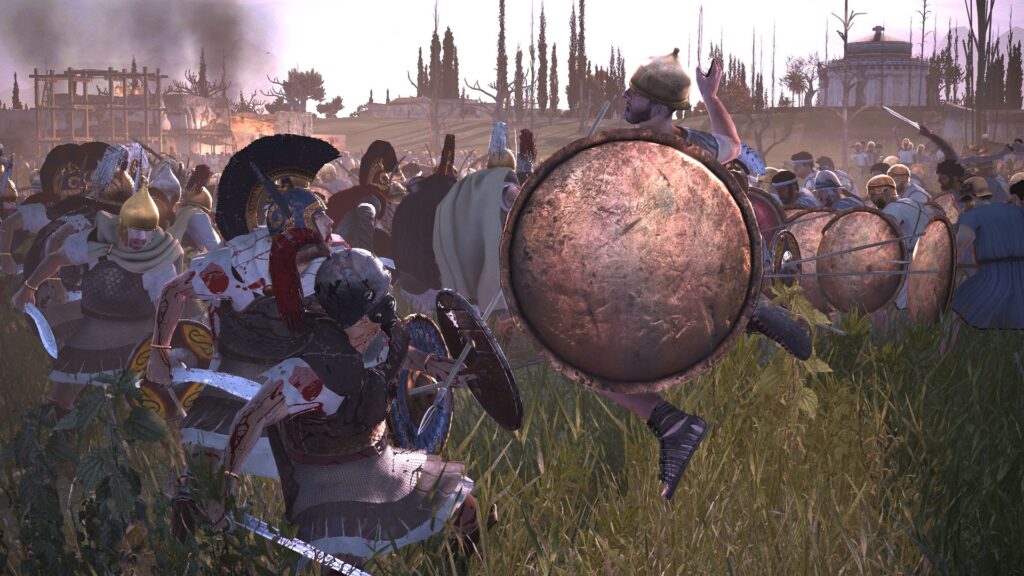
Although the Carthaginians pursued the siege with considerable energy, the defenses of Akragas remained intact. Over time, however, their own position grew increasingly uncertain. Determined to prevent Akragas from suffering the same fate as Selinus and Himera, the Syracusans organized a substantial relief force. This army, drawn from Syracuse and its allies, is reported by Diodorus Siculus to have included 30,000 infantry, 5,000 cavalry, and the support of thirty triremes. While the figure given for the cavalry may be exaggerated, the mounted contingent was likely still significant in scale.
Himilco dispatched his mercenary troops to intercept the advancing Greek force. A battle took place somewhere west of the Himera River, and after a prolonged engagement, the Syracusans secured a decisive victory. The Carthaginian mercenaries were routed and retreated in disorder, suffering heavy losses—reported at around 6,000 men. The Syracusan commander Daphnaeus, recalling the earlier disaster at Himera, where an overzealous pursuit had led to defeat, chose to act with caution. Rather than immediately chasing the fleeing enemy, he first reorganized his forces before advancing.
Crisis Within Akragas
When the inhabitants of Akragas observed the Carthaginian forces withdrawing, they urged their commanders to lead a pursuit and deliver a decisive blow. The generals, however, declined to do so. Their decision may have been influenced by the earlier example at Himera, where an overextended pursuit had ended disastrously. In addition, with winter approaching and the sea route between Syracuse and Akragas still open for supplies, they likely judged a cautious approach to be preferable. This restraint, however, provoked strong dissatisfaction among the Akragantines. As tensions rose, rumors began to circulate that the generals had been bribed, a claim that many found credible in the circumstances.
In response to these events, the inhabitants of Akragas assembled outside the city in an irregular military gathering, in which allied contingents also appear to have participated. A widespread belief had taken hold that both Dexippus and the Akragantine generals had accepted bribes. The situation quickly escalated into violence. Dexippus was spared, likely due to fear of provoking Sparta, but the Akragantine commanders were not so fortunate. Four of the five generals were stoned to death, and replacements were appointed in their place. Regardless of their actual intentions, the generals paid with their lives for their decision to act cautiously. The episode illustrates the intense strain within a city under siege, where frustration over the enemy’s escape led to a sudden and extreme outburst of collective violence.
The Strategic Deadlock
Soon afterward, the relief force under Daphnaeus entered Akragas and assumed overall command of operations. Daphnaeus conducted a reconnaissance in force against the Carthaginian camp, but, finding it strongly fortified, chose not to risk a direct assault.
Instead, he adopted a strategy of containment and attrition. Roads leading into the camp were cut, and Carthaginian foraging parties were repeatedly harassed by cavalry. His reluctance to attack the camp directly reflects the relative limitations of Greek siege capabilities compared to those of the Carthaginians.
These operations continued throughout the summer. The approach allowed the Greeks to maintain pressure on the enemy while avoiding the risks associated with a full-scale assault. Over time, this strategy proved effective: supply shortages developed within the Carthaginian camp, leading to starvation, heavy losses, and growing unrest among the mercenary troops, who approached the point of mutiny.
With his forces reduced by disease and combat losses, Himilco may by this stage have commanded numbers roughly comparable to those of the Greek army. Unable to take the offensive, he was compelled to maintain a defensive position for an extended period while the surrounding countryside remained under enemy control.
This situation led to increasing shortages of provisions, and discontent spread among the troops, particularly within the Campanian mercenary contingent, where unrest approached the level of mutiny. At this critical point, however, circumstances began to shift. An unexpected opportunity arose—one that, in part, resulted from the actions of his opponents—and allowed Himilco to reverse the deteriorating situation.
At this stage, Carthaginian intelligence appears to have been more effective than that of their opponents. Himilco received information that the Syracusans were transporting a supply convoy by sea to Akragas. Recognizing this as his best opportunity to relieve the army’s critical shortages, he sought to stabilize the increasingly restless troops. He urged the discontented mercenaries to hold their position for a few more days, offering as assurances valuable drinking vessels and plate belonging to Carthaginian officers.
The Carthaginian Naval Strike
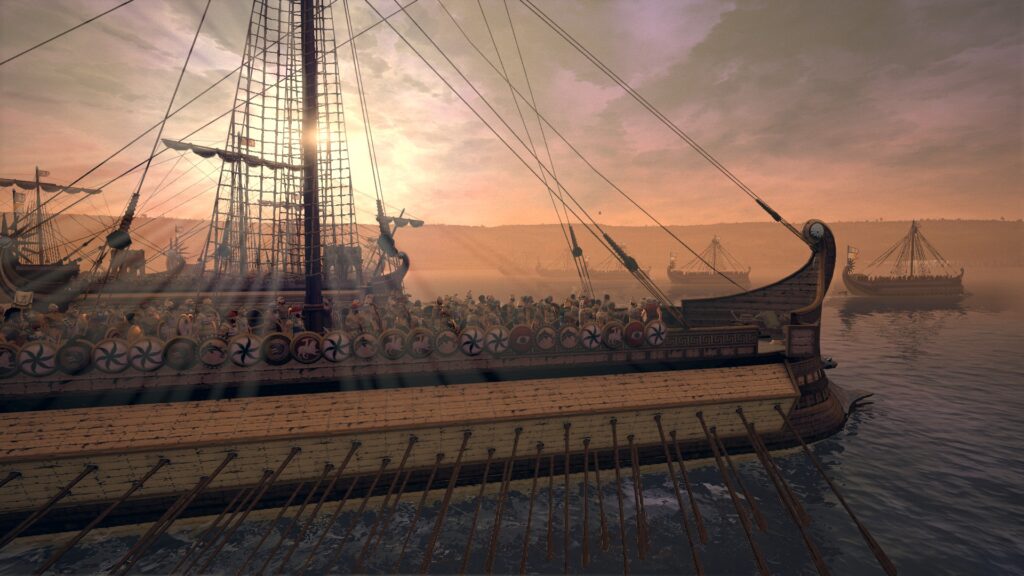
The Greeks appear to have achieved effective control at sea, as the Carthaginian transport fleet—which had originally conveyed the army to Sicily—was sufficiently large to sustain it with supplies. Despite this, the Carthaginian forces experienced increasing shortages. This situation highlights the logistical vulnerability of siege armies, a challenge that Himilco was forced to confront under difficult conditions.
Finding his army effectively confined on land, Himilco turned to naval action. At this stage, the Syracusans enjoyed uncontested control of the sea, and the winter conditions appear to have led to reduced vigilance in guarding their grain convoys. After assembling a force of forty triremes from Panormus and Motya, Himilco put to sea and launched an attack on the supply convoy previously en route to Akragas. The operation achieved complete surprise: eight Greek warships were sunk, while the remainder were driven ashore. The entire convoy of transport vessels was captured, and for the first time in several weeks the Carthaginian army was able to secure an adequate supply of provisions.
The Evacuation of the City
As a result of the prolonged siege, the inhabitants of Akragas were likely unable to gather that year’s harvest and became heavily dependent on grain supplies transported by sea from Syracuse. Consequently, the loss of the convoy had an immediate and serious impact on morale within the city.
The situation deteriorated rapidly. A contingent of Campanian mercenaries, reportedly encouraged by an offer of fifteen talents from Himilco, defected to the Carthaginian side. At the same time, the Akragantines had made little effort to ration their food supplies, having previously relied on continued deliveries by sea. With a large population confined within the walls, existing provisions were quickly depleted.
As shortages intensified, the Italian Greek allies began to withdraw from the city. Their departure may have been influenced by Dexippus, possibly acting in response to a similar payment from Himilco, although Diodorus Siculus treats this claim with some uncertainty.
An assessment of available provisions revealed that there was insufficient food to sustain the population of Akragas. As a result, the commanders ordered the evacuation of the city. During the night—around mid-December—a large number of inhabitants, including men, women, and children, departed along the road to Gela, approximately forty miles away. The army accompanied them to provide protection, and there is no clear indication that the Carthaginian forces attempted to interfere with the withdrawal.
The journey proved difficult, particularly for non-combatants, but the majority succeeded in reaching Gela. Those who were too old or too ill to undertake the march were left behind. According to Diodorus Siculus, some inhabitants chose to take their own lives rather than face exile.
Himilco allowed the population to withdraw and then, at dawn the following day, occupied Akragas without resistance. The city, one of the wealthiest in the Greek world, had, since its foundation some three centuries earlier, never before fallen to an enemy. Its capture revealed immense wealth. Houses contained paintings, statues, and luxurious furnishings, while gold and silver vessels were abundant. The temples, enriched by generations of offerings, held significant accumulated treasures. These resources were systematically seized, with no distinction made between sacred and secular property.
One account records that a prominent citizen, unwilling to abandon his homeland, sought refuge in the sanctuary of Athena. When it became clear that the sanctity of the temple would not ensure his safety, he set fire to the building and died within it. Himilco took control of the city in mid-winter, approximately eight months after his initial landing in Sicily, and remained there until the spring of the following year.
After spending the winter and early spring in Akragas, reorganizing his forces and preparing new siege equipment, Himilco ordered the largely deserted city to be demolished before advancing toward his next objective, Gela. Although Akragas was destroyed in 405 BC, it was later resettled by Greek inhabitants. However, it never fully regained its former wealth or prominence. Even so, the city eventually recovered enough strength to play a role in the continuing conflicts between Carthage and Syracuse over the following century.
© 2026 History and War
Author: Jishu Roy
Unauthorized reproduction of this content is prohibited.