Image © Cyowari
Imperial Ambition and the Road to War
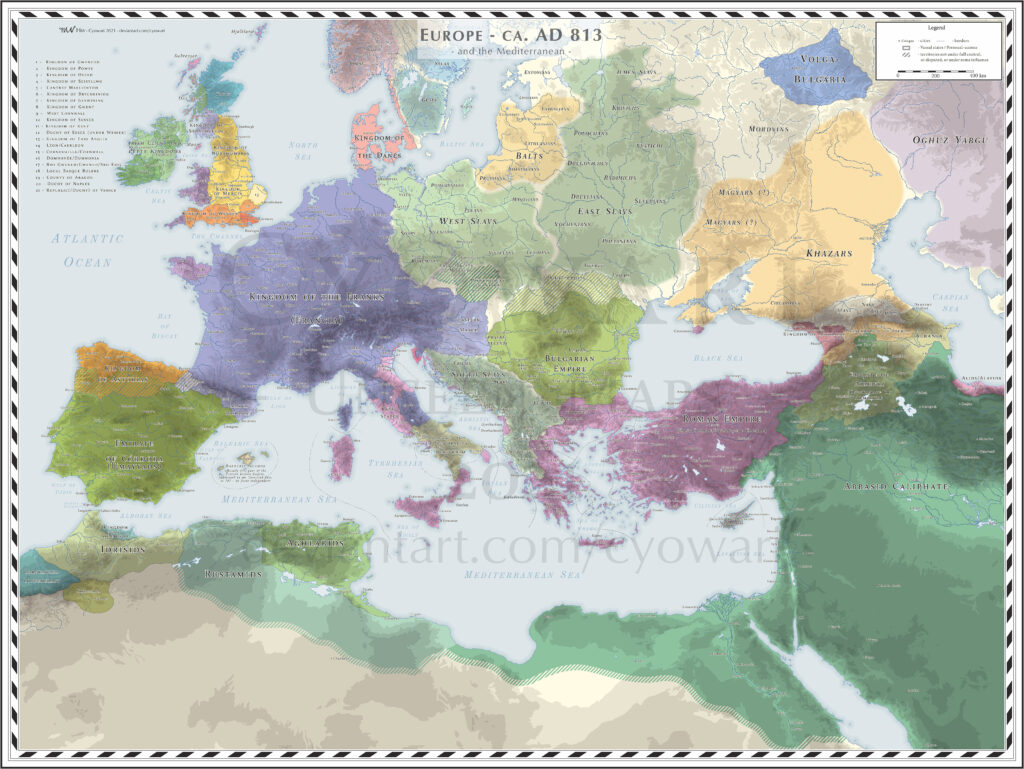
Upon ascending the Byzantine throne in 829, the young Theophilos found himself embroiled in the long-standing Arab–Byzantine wars that had persisted for nearly two centuries. Driven by ambition and a staunch adherence to iconoclasm, Theophilos aimed to strengthen his rule and garner support for his religious policies through military triumphs over the Abbasid Caliphate, Byzantium’s primary adversary. Throughout the 830s, Theophilos waged a series of campaigns against the Caliphate. While these campaigns achieved only moderate success, they provided ample material for imperial propaganda to portray Theophilos as a “victorious emperor” in the traditional Roman fashion. In 837, Emperor Theophilos led a significant expedition against the region of Melitene, capturing the towns of Sozopetra and Arsamosata and compelling the city of Melitene to pay tribute. Although the expedition was a major propaganda triumph, its military and strategic impact was limited. However, the Caliph Al-Mu’tasim vowed to avenge this humiliation and launched a more extensive and devastating campaign against the Byzantines in 838. His primary targets were Ankyra and Amorion, the latter being likely the largest city in Anatolia at the time and the birthplace of the reigning Amorian dynasty, holding particular symbolic significance. According to chronicles, al-Mu’tasim’s soldiers even inscribed the word “Amorion” on their shields and banners.
The Abbasid War Plan and the Dual-Invasion Strategy
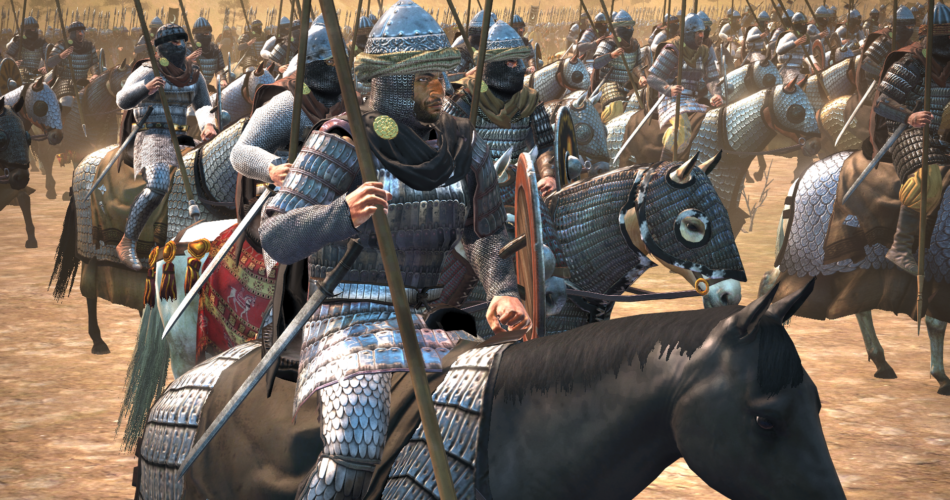
A large military force had assembled in Tarsus and was divided into two main groups. The northern force, led by the Iranian vassal prince of Usrushana Afshin, was planning to invade the Armeniac theme from the region of Melitene. They intended to join forces with the emir of the city, Omar al-Aqta. The southern, main force, led by the Caliph himself, was preparing to pass through the Cilician Gates into Cappadocia and then head towards Ankyra. Once Ankyra was captured, the Arab armies would unite and march towards Amorion. Afshin’s force, as described by John Skylitzes, included the entire army of the vassal Armenian princes and was estimated to consist of 20,000 to 30,000 men, including around 10,000 Turkish horse-archers.
Byzantine Strategic Response and Imperial Mobilization
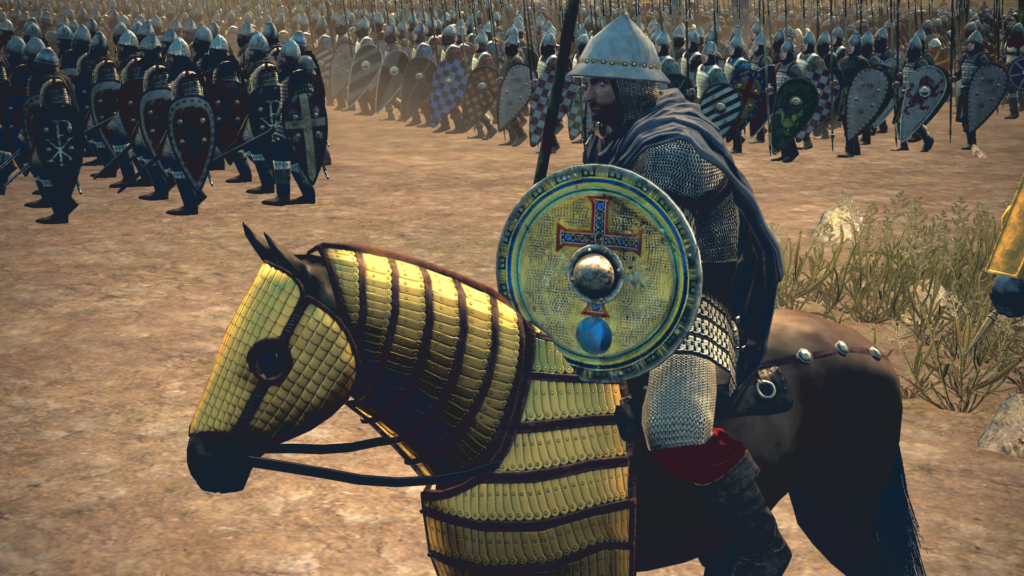
The Byzantine emperor Theophilos learned of the Caliph’s plans and swiftly departed from Constantinople in early June. His army was comprised of soldiers from the Anatolian and possibly European regions, along with elite tagmata regiments. Additionally, there was a group of Persian and Kurdish Khurramites, led by Nasr, who had fled religious persecution in the Caliphate and sought refuge in the Empire, forming the “Persian tourma”. The Emperor’s forces set up camp at Dorylaion, where he divided his army. A significant contingent was dispatched to reinforce the garrison of Amorion, while Theophilos himself led the remaining 25,000 to 40,000 soldiers to position themselves between the Cilician Gates and Ankyra.
Afshin’s Advance and the Opening of the Anatolian Front
The Byzantine intelligence regarding Mu’tasim’s movements appears to have been lacking. Meanwhile, the Muslim leader managed to capture some Byzantine scouts, gaining knowledge of the emperor’s position blocking his route on the Halys. This crucial information was relayed to Afshin, the commander of the first column, which then advanced to the significant Byzantine military assembly point at Dazimon. The terrain in the area mainly consists of rolling uplands intersected by occasional depressions with marshes and mud-flats, and sparse woodland. Subsequently, the vanguard of the main Abbasid army invaded Byzantine territory on 19 June, followed two days later by the Caliph and the main body of the army.
The Emperor Moves East: Deployment Toward Anzen
In mid-July, Theophilos received word of the presence of enemy forces. Although Afshin’s force was smaller, it posed a threat to his supply lines. As a result, The Emperor left a detachment to guard the road to Ankyra and led the remainder of his troops eastward to confront the enemy army. However, Muslim scouts had already extensively surveyed the regions through which the imperial forces were expected to pass and were aware of the emperor’s approach, maintaining their own strength and secure position. On July 21, the imperial forces made visual contact with the Muslim force, which had taken up a defensive position. The emperor’s forces positioned themselves to the south, near an unnamed hill called Anzen, from which they could observe the enemy positions. Despite advice from Theophilos’s principal commanders, Theophobos and Manuel, to launch a surprise night attack, The Emperor chose to wait and defer the attack to the following day, in line with the opinion of the other officers.
The Battle Begins
The first light of dawn barely touched the horizon when the Byzantine army moved into position. Their armour gleamed in the early morning light, and the air was tense with anticipation. Emperor Theophilos, a seasoned commander, stood at the forefront, his eyes scanning the enemy lines. The signal was given, and the Byzantine horn blared, breaking the silence. The Byzantine forces moved swiftly and silently at first, their formations tight and disciplined. With a sudden, unified shout, the Byzantine soldiers of the one wing charged. The clash of steel and the roar of battle cries shattered the morning calm. Byzantine troops, well-trained and eager for victory, immediately engaged the enemy forces on their flank. The initial impact was devastating. The fighting was fierce and bloody. Swords clashed, and the air was filled with the shouts of men and the clang of metal. Yet, the Byzantine forces maintained their momentum. Caught off guard, the Muslim soldiers scrambled to defend themselves but were quickly overwhelmed. Byzantine soldiers fought with ferocity, their swords and spears cutting through the disorganized enemy ranks. The enemy, demoralized and confused, began to falter. The imperial forces cut through them like a scythe through wheat. The Arabs, now in full flight, left behind a trail of bodies and abandoned equipment. The Arabs had suffered grievous losses, with some 3,000 casualties lying on the field.
As the battle of Anzen raged on, Emperor Theophilos watched from his vantage point atop a small hill. Clad in the resplendent armour befitting an emperor, he observed the battlefield with keen eyes, assessing the progress of his troops. The initial success had bolstered the morale of the Byzantine army, but the situation on the other wing was less promising. The other wing, was struggling against a determined enemy counterattack. The Arab forces, having regrouped, were pushing back with unexpected vigour. If this wing faltered, the entire Byzantine line could be compromised. Realizing the urgency of the situation, Emperor Theophilos made a swift decision. Summoning his trusted commanders, he gave orders to mobilize additional troops. The emperor decided to dispatch 2,000 men from the elite tagmata, the core professional soldiers of the Byzantine army, and a contingent of Kurdish soldiers who had proven their loyalty and skill in previous campaigns. These reinforcements, under his direct command, would ride across the rear of their own lines to support the beleaguered wing. Mounting his horse, the emperor led the reinforcements himself. The sight of the imperial standard flying high and the emperor at the forefront filled the soldiers with renewed vigour. The 2,000 men, a mix of heavily armoured tagmata and agile Kurdish soldiers, formed a formidable force. As they rode, the ground thundered beneath the hooves of their horses, creating a palpable sense of momentum. Reaching the beleaguered wing, Emperor Theophilos immediately assessed the situation. The enemy forces were pressing hard, their commanders sensing an opportunity to break through. Byzantine soldiers were holding their ground, but just barely. With a decisive wave of his hand, Theophilos ordered the tagmata and the Kurdish soldiers to charge. The impact was immediate and devastating. The heavily armoured tagmata, with their disciplined ranks and formidable weapons, struck the enemy lines like a hammer. The Kurdish soldiers, swift and deadly, flanked the Arabs, attacking from the sides and rear. The combined assault threw the enemy into disarray. The Arabs, already weary from prolonged fighting, could not withstand the fresh onslaught. Seeing the emperor himself in the thick of the battle galvanized the Byzantine soldiers. They fought with renewed energy, pushing back the enemy with every blow. The Arabs lines wavered, then broke. The enemy began to retreat, their morale shattered by the sudden and overwhelming reinforcement.
The battlefield at Anzen was a scene of triumph and chaos as the Byzantine forces pushed back the enemy. Emperor Theophilos and his reinforcements had secured both wings, and the imperial forces were pressing their advantage. The enemy, however, was not yet defeated. As the sun climbed towards its zenith, casting a harsh light over the bloodied ground, a new threat emerged. The Muslim commander, Afshin, a seasoned leader with a reputation for tactical brilliance, was not about to let the Byzantines claim an easy victory. Observing the battlefield from a strategic vantage point, he saw an opportunity to turn the tide. Summoning his most formidable contingent – the Turkish horse archers – he prepared a counterattack designed to halt the Byzantine advance and buy time for his forces to regroup. The Turkish horse archers were renowned for their mobility, discipline, and deadly accuracy. Riding swiftly and nimbly, they could unleash a hail of arrows with devastating effect. As they rode out, their commander gave them clear instructions: halt the Byzantine advance at all costs. As noon approached, the air grew tense. The Byzantines, emboldened by their success, were advancing across the battlefield, their banners fluttering in the breeze. Suddenly, from behind a rise, the Turkish horse archers appeared, moving with a fluid grace that belied their lethal intent. The sunlight glinted off their bows as they drew back the strings and released their arrows in unison. The initial volley struck with precision. Byzantine soldiers fell, some mortally wounded, others clutching at their shields and armour. The advance faltered as the soldiers instinctively raised their shields to protect themselves from the rain of arrows. The Turkish cavalry, maintaining a disciplined formation, kept moving, never staying in one place long enough to become easy targets. Emperor Theophilos, quickly grasped the severity of the situation. He called for his commanders, issuing rapid orders to reinforce the front lines and deploy the archers to counter the Turkish threat. The Byzantine archers began to respond, but the Turkish horse archers were elusive, their tactics honed to perfection through years of skirmishes and battles. The Byzantine advance slowed to a crawl. The continuous barrage of arrows disrupted their formations, forcing the soldiers to adopt a defensive posture. The Turkish cavalry, emboldened by their success, pressed their advantage, their arrows finding gaps in the Byzantine armour and inflicting increasing casualties. Meanwhile, the withdrawing Arab forces seized the opportunity to regroup and reform their lines. Their commanders barked orders, rallying the troops and reorganizing their ranks. The battlefield shifted as the initially retreating forces began to stabilize, their morale bolstered by the success of the Turkish counterattack.
Regrettably, at this juncture, the troops positioned on the wing and center noticed the absence of the emperor and his standard. Assuming that he had fallen, they began to exhibit signs of wavering. Faced with a relentless barrage of missiles from the Turkish mounted archers, they started to retreat in a somewhat disorganized manner, leading to the swift dissolution of the Roman battle line. Seizing the moment, the Muslim forces surged ahead and forced the Roman troops to retreat from the battlefield. Although certain units disintegrated into complete disorder and a few soldiers even made it to Constantinople, where they spread rumours of the emperor’s demise in battle, it appears that many were able to retreat in a relatively organized fashion and regrouped to the North, in the district of Chiliokomon.
The opposing forces managed to encircle the remaining units with the emperor, including the tagmata and their leaders, as well as the Kurdish units. They isolated them on the hill of Anzen, where they established a formidable defensive stance. The intense attack from the mounted archers posed a significant threat to the emperor, but fortunately, a sudden and heavy downpour thwarted the enemy’s ability to carry out their assault, as the rain slackened the tension of the Turkish bowstrings. This provided the Roman forces with an opportunity to regroup and reorganize.
Based on certain sources, it was observed by one of the emperor’s key Officer, that the Kurdish soldiers were attempting to communicate with soldiers on the opposing side in their native language. There was concern that they might desert and betray the emperor to the enemy in exchange for a pardon for their previous desertion. Simultaneously, due to the temporary incapacity of his Turkish archers, Afshin deployed siege catapults from his baggage train to dislodge the Roman units from their positions.
Despite his 2,000-strong bodyguards’ resistance, the emperor was convinced that his priority was to swiftly free himself from the predicament. His commanders, though bloodied and weary, agreed. They understood the necessity of survival over a futile stand. With a small band of his most loyal officers and men, the emperor prepared for a daring escape. The plan was perilous, but there was no alternative. The emperor’s group formed a wedge, with Theophilos at the forefront, leading the charge. They cut through the enemy forces with determined ferocity, their swords and spears flashing in the midday sun. The Turkish archers and Arab infantry, caught off guard by the sudden aggression, momentarily recoiled. The escape was brutal and chaotic. Men fell on both sides as the emperor and his band fought their way through the encircling forces. Many of his officers and men were seriously wounded in the melee, but they pushed on, carving a path through the enemy lines. Finally, after what felt like an eternity of fighting, the emperor and his small band broke free from the encirclement. They rode hard, putting as much distance as possible between themselves and the battlefield. Behind them, the sounds of battle grew fainter, but the cost of their escape weighed heavily on Theophilos’s mind. Back on the battlefield, the remainder of the 2,000 men continued to resist valiantly. They fought with the courage and discipline of seasoned soldiers, but the odds were against them. Encircled and outnumbered, they were eventually forced to lay down their arms. The fate of these brave men, who had held the line to allow their emperor to escape, remained uncertain. Some might have been taken prisoner, others perhaps executed or sold into slavery. Their sacrifice, however, was not in vain. Emperor Theophilos, though deeply grieved by the loss of so many loyal soldiers, knew that their valour had preserved the core of the Byzantine.
Retreat to Chiliokomon and Reorganization of Byzantine Forces
The emperor arrived in the region of Chiliokomon to the west, where he reunited with the troops who had previously deserted him. Subsequently, he regrouped with the force he had deployed to guard the road to Ankyra. Faced with overwhelming enemy numbers, this unit had retreated northwest, depleting the surrounding area and leaving Ankyra to its own defences. A contingent dispatched to aid in the town’s defence discovered it abandoned and received new orders to assist Amorion instead. Meanwhile, the emperor lingered at Dorylaion before returning to Constantinople to dispel rumours of his demise in battle.
The Fall of Ankyra and Amorion
On approximately 27th of July, the initial Muslim contingent arrived in Ankyra and ransacked the town before advancing to lay siege to Amorion at the start of August. Following a two-week siege, Muslim and Turkish forces managed to breach the city, resulting in its swift capture, looting, and the massacre of the garrison. While this event marked a notable setback in the ninth century, its symbolic and ideological implications far outweighed its strategic significance, as the Caliph promptly redirected his armies from Asia Minor to address a domestic rebellion.
Strategic and Political Aftermath of the Campaign
The Battle of Anzen was strategically important. If the emperor had won, he might have been able to force the Caliph to change his plans or withdraw before reaching Ankyra or Amorion. This battle was also significant because it was the first encounter between Byzantine troops and the central Asian Turkish warriors. These warriors were being used on a large scale by the Caliph as a reliable and loyal military force. The evidence suggests that archery had declined in importance among eastern Roman soldiers since the sixth and early seventh centuries. The defeat at Anzen and the subsequent sack of Amorion, though initially seeming conclusive, did not have a lasting military impact on the Byzantine Empire, as the Abbasids did not capitalize on their victory.
© 2026 History and War
Author: Jishu Roy
Unauthorized reproduction of this content is prohibited.